

Throughout history, military leaders have been known for their distinctive approaches to warfare, often turning the tide of battles with their innovative strategies. These leaders not only defied conventional tactics but also left lasting legacies that continue to influence military thinking today. Here, I explore fourteen such military leaders renowned for their unconventional strategies.
Sun Tzu

Sun Tzu, an ancient Chinese general, is best known for his treatise “The Art of War,” which remains a seminal text on military strategy. His emphasis on deception, forethought, and flexibility in warfare was revolutionary for its time. Sun Tzu advocated for using psychological warfare and understanding the enemy’s motives to gain an advantage. His strategies went beyond the battlefield, focusing on preparation and the importance of adapting to changing circumstances.
One real-world application of Sun Tzu’s teachings can be observed in the Vietnam War, where the Viet Cong employed guerrilla tactics that aligned with Sun Tzu’s principles of leveraging terrain and surprise. His philosophies continue to be relevant, extending beyond military applications to business and sports as well.
Carl von Clausewitz

Carl von Clausewitz, a Prussian general and military theorist, is renowned for his work “On War,” which explores the philosophical and practical aspects of warfare. His concept of the “fog of war” and the emphasis on understanding the chaotic nature of conflict continue to influence military thinking.
Clausewitz’s ideas on the interplay of politics and war, encapsulated in his famous dictum “war is the continuation of politics by other means,” underscore the complexity of military strategy. His treatise remains a foundational text in military education worldwide.
Yi Sun-sin

Admiral Yi Sun-sin is celebrated for his naval victories during the Imjin War between Korea and Japan in the late 16th century. His most famous battle was the Battle of Myeongnyang in 1597, where he led a fleet of just 13 ships to victory against a Japanese fleet of over 300 vessels.
Yi’s innovative use of the geobukseon, or turtle ship, and his strategic mastery of Korea’s coastal waters were key elements in his success. His ability to consistently defeat superior enemy forces not only protected Korea from invasion but also earned him a place among the greatest naval commanders in history.
Norman Schwarzkopf

General Norman Schwarzkopf, commander of Coalition forces during the Gulf War, was known for his meticulous planning and execution of Operation Desert Storm in 1991. His bold strategy to outflank Iraqi forces with a sweeping “left hook” maneuver resulted in a swift and decisive victory with minimal casualties.
Schwarzkopf’s emphasis on technological superiority, combined with his ability to coordinate a multinational force, demonstrated the effectiveness of precision planning in modern warfare and solidified his reputation as a skilled military leader.
Jan Žižka
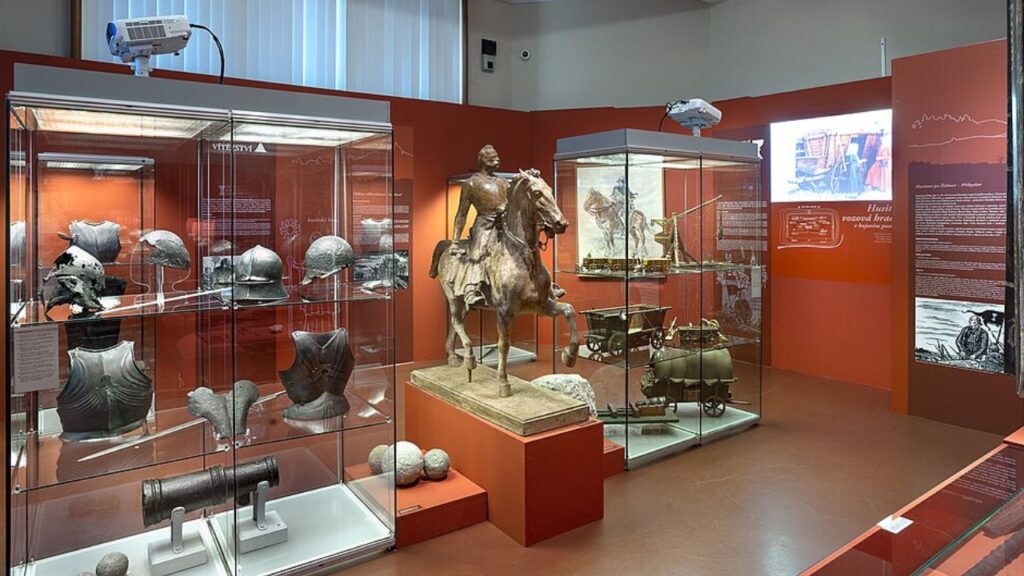
Jan Žižka became one of the most innovative commanders of medieval Europe. Fighting for the Hussite movement in Bohemia, he faced armies sent by powerful European rulers. Žižka developed defensive wagon forts that could repel cavalry charges. These formations allowed smaller forces to hold their ground against much larger armies. Hussite troops also used early firearms and coordinated artillery.
Žižka himself lost both eyes during his campaigns but continued to command. Under his leadership, Hussite forces repeatedly defeated crusading armies. His tactics demonstrated how creative strategy could overcome superior numbers. Military historians still study his battlefield innovations today.
Cyrus the Great

Cyrus the Great, the founder of the Achaemenid Empire, is remembered for his innovative and humane approach to governance and military conquest. His respect for the customs and religions of the lands he conquered set a precedent for future leaders.
The Cyrus Cylinder, often considered the first charter of human rights, exemplifies his forward-thinking policies. His strategies in battle and diplomacy are still analyzed for their effectiveness in creating a stable and diverse empire.
William Slim

Field Marshal William Slim is celebrated for his leadership during the Burma Campaign in World War II. Facing Japanese forces that had initially swept through Southeast Asia, Slim’s strategic acumen and focus on morale and training helped turn the tide in favor of the Allies.
His successful implementation of coordinated air, land, and sea operations during battles such as Imphal and Kohima were key to the eventual defeat of Japanese forces in Burma. Slim’s ability to adapt to jungle warfare and his emphasis on the welfare of his troops made him one of Britain’s most respected military commanders.
Scipio Africanus
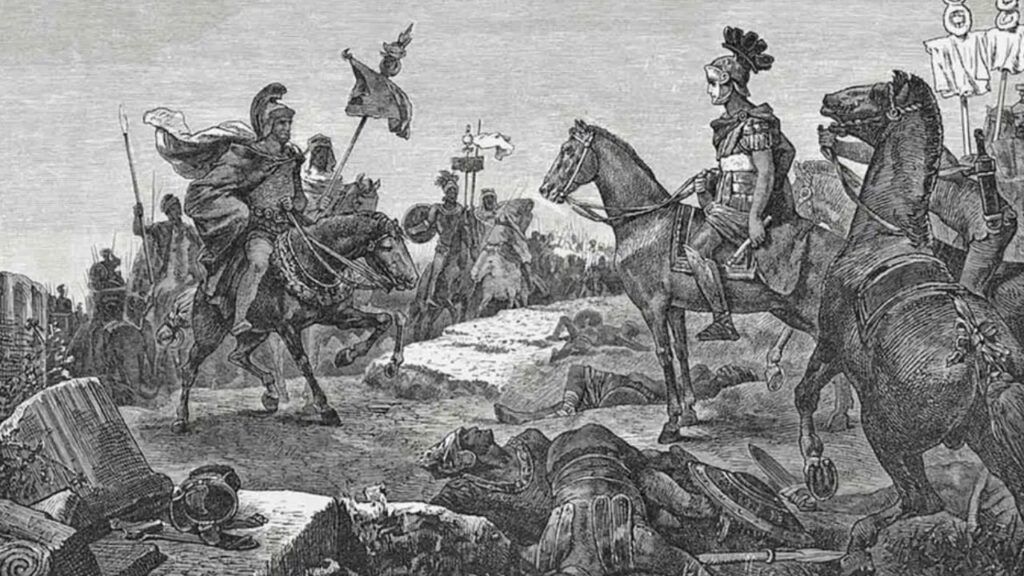
Scipio Africanus, the Roman general who defeated Hannibal at the Battle of Zama, is renowned for his strategic foresight and adaptability. His campaigns in North Africa and Spain showcased his ability to learn from adversaries and innovate tactics.
Scipio’s victory at Zama ended the Second Punic War and solidified Rome’s dominance in the Mediterranean. His legacy is studied for his diplomatic skills and his ability to integrate various elements of warfare into a coherent strategy.
T.E. Lawrence

T.E. Lawrence, known as Lawrence of Arabia, was a British officer who played a crucial role in the Arab Revolt against the Ottoman Empire during World War I. His use of guerrilla tactics and deep understanding of Arab culture and politics enabled him to orchestrate effective campaigns with limited resources. Lawrence’s strategy of hit-and-run attacks and sabotage disrupted Ottoman supply lines and communications, aiding the success of the revolt.
Lawrence’s unconventional approach emphasized the psychological aspects of warfare, leveraging local support and terrain knowledge to achieve strategic objectives. His experiences and writings, notably “Seven Pillars of Wisdom,” offer insights into asymmetric warfare and the importance of cultural intelligence in military operations.
Saladin
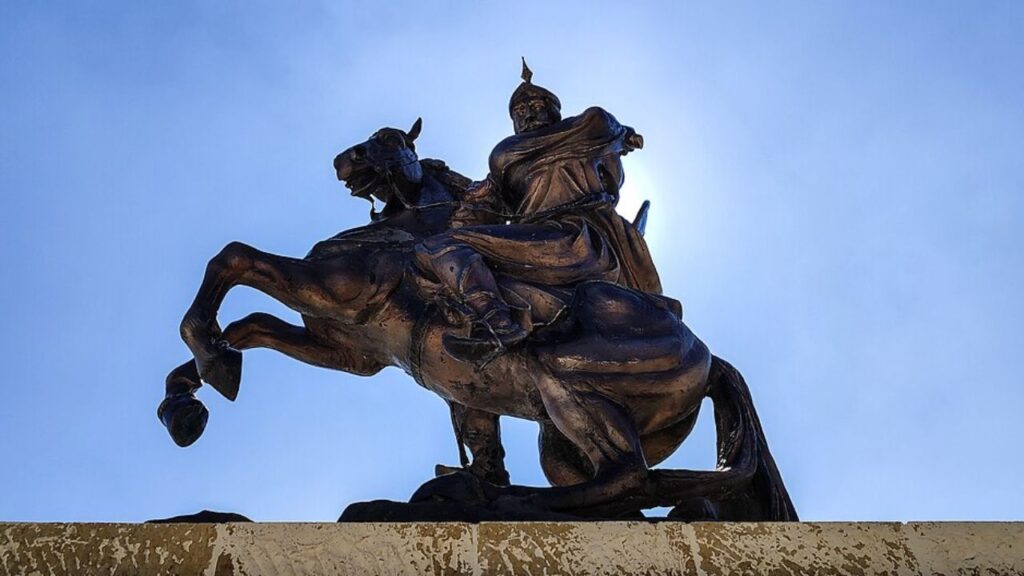
Saladin, the first Sultan of Egypt and Syria, is celebrated for his leadership during the Crusades, particularly the recapture of Jerusalem in 1187. Known for his chivalry and fairness, Saladin united the Muslim world against the Crusaders.
His ability to balance military campaigns with diplomacy and governance solidified his reputation as a great leader. Saladin’s legacy continues to be an example of leadership and statesmanship in both Eastern and Western historical narratives.
Moshe Dayan

Moshe Dayan, the Israeli military leader and politician, played a pivotal role in the establishment and defense of the State of Israel. Known for his unconventional strategies, Dayan’s leadership during the 1956 Suez Crisis and the Six-Day War in 1967 showcased his strategic brilliance. His emphasis on pre-emptive strikes and rapid mobilization demonstrated his understanding of modern warfare.
Dayan’s ability to integrate intelligence and technology into military operations was ahead of his time, contributing to Israel’s military successes. His approach to leadership, combining audacity with pragmatism, continues to influence Israeli military doctrine.
Leonidas I
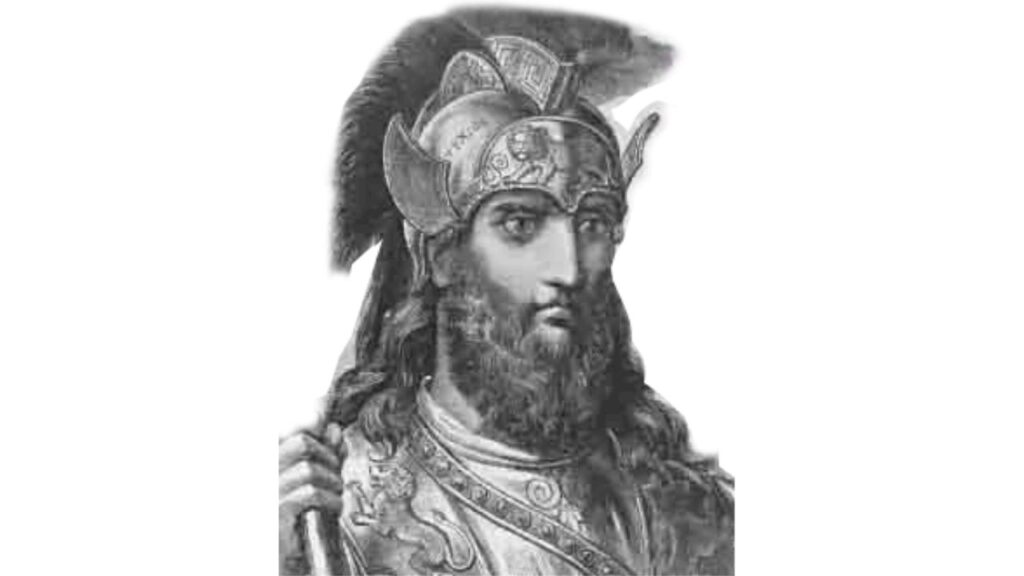
Leonidas I, the Spartan king, is famed for his heroic stand against the Persian army at the Battle of Thermopylae. His leadership and sacrifice, along with his 300 Spartans, have become legendary, symbolizing courage and resilience.
While ultimately a tactical defeat, the battle delayed the Persian advance, allowing Greek city-states time to prepare for future engagements. Leonidas’ leadership is studied for its impact on morale and the power of a unified force against overwhelming odds.
David Petraeus

David Petraeus, a retired U.S. Army General, is recognized for his leadership in developing and implementing counterinsurgency strategies in Iraq and Afghanistan. His comprehensive approach, outlined in the U.S. Army/Marine Corps Counterinsurgency Field Manual, emphasized the importance of winning hearts and minds alongside military operations.
Petraeus’s focus on integrating civil-military efforts and building local capacity represented a shift in U.S. military strategy towards more holistic approaches. His tenure as commander of U.S. forces in Iraq saw the implementation of the “surge,” which contributed to a reduction in violence and paved the way for political progress.
Themistocles
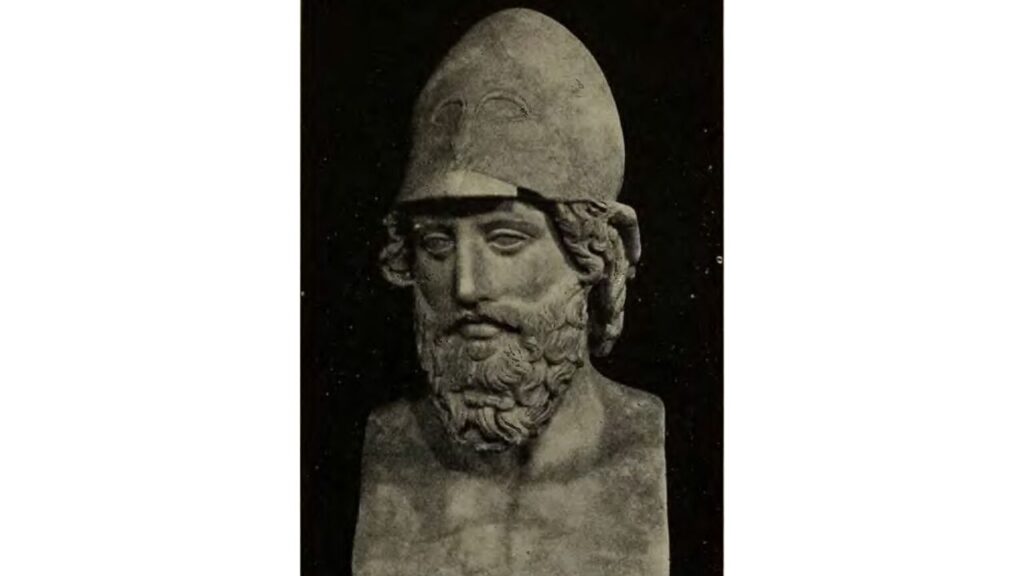
Themistocles, an Athenian politician and general, played a crucial role during the Persian Wars, particularly at the Battle of Salamis. His foresight in strengthening the Athenian navy proved pivotal in defeating the Persian fleet.
Themistocles’ ability to rally Greek city-states and his strategic use of naval power altered the course of the wars, preserving Greek independence. His contributions are studied for their strategic brilliance and the importance of naval power in warfare.