
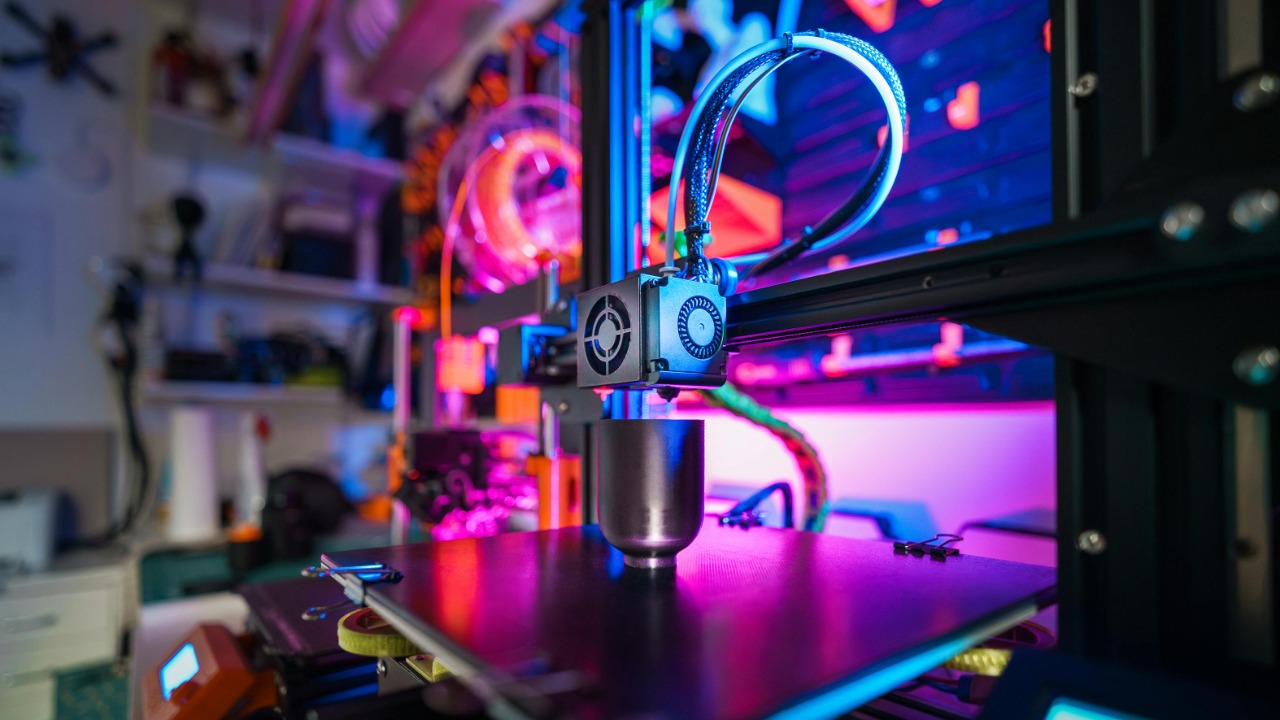
A new proposed law in the United States aims to curb the creation of untraceable firearms by mandating the integration of gun-blocking technology in all 3D printers. As 3D printing continues to evolve, the potential for manufacturing weapons without regulation has become a pressing concern for lawmakers and public safety advocates alike.
The Rise of 3D Printing Technology
3D printing technology has rapidly advanced over the past decade, transforming various industries by enabling the creation of complex parts and products with precision and efficiency. From medical devices and automotive components to custom footwear and aerospace parts, the applications of 3D printing are vast and ever-expanding. This evolution has been facilitated by the development of more sophisticated printers, a wider range of printable materials, and improved software that allows for intricate design capabilities.
The accessibility and affordability of 3D printers have significantly increased, allowing individuals to purchase personal 3D printers for as little as a few hundred dollars. For instance, models like the Creality Ender 3 and Anycubic i3 Mega have made it possible for hobbyists and small businesses to explore 3D printing without prohibitive costs. However, this democratization of technology also presents risks, particularly in the hands of those who might use it for illicit purposes. The ability to print items, including firearms, from the comfort of one’s home without regulatory oversight is a growing concern that underscores the need for measures to ensure public safety.
Understanding Gun Blocking Technology
Gun-blocking technology encompasses a range of methods and mechanisms designed to prevent the printing of firearms using 3D printers. One approach involves the use of software that can detect and block the digital files used to print gun parts. These systems scan for specific design patterns associated with known firearm components and can halt the printing process if such patterns are detected. Another method involves hardware modifications that physically prevent the printer from executing commands related to gun manufacturing.
Integrating gun-blocking technology into 3D printers can be achieved through a combination of software and firmware updates, as well as physical modifications to the printer hardware. The effectiveness of these technologies largely depends on their ability to accurately identify and block the printing of prohibited items without hindering the legitimate use of the printer. While current systems show promise, ongoing research and development are essential to enhance their reliability and adaptability to new designs and materials that may emerge in the future.
Implications of the Proposed Legislation
The proposed legislation mandating gun-blocking technology in 3D printers could have significant implications for both manufacturers and consumers. For manufacturers, the requirement to integrate new technology into their products may necessitate redesigns, increased production costs, and potential changes to supply chains. Consumers, particularly those in the maker and hobbyist communities, may face higher prices and limitations on the functionality of their printers, impacting the appeal and accessibility of 3D printing.
Legally, enforcing such a law presents challenges, including determining the jurisdiction over manufacturers based outside the United States and addressing privacy concerns related to monitoring user activity. The legislation would need to align with existing laws and regulations on firearms and technology, creating a complex legal landscape. Similar to existing regulations like the Undetectable Firearms Act, which prohibits the production of guns that cannot be detected by metal detectors, this proposed law aims to address emerging threats in a rapidly changing technological environment.
Public and Industry Reactions
The proposed law has elicited a range of reactions from various stakeholders. Gun rights advocates argue that such regulations infringe upon personal freedoms and the right to bear arms as enshrined in the Second Amendment. They contend that responsible gun ownership should not be penalized by broad measures that target emerging technologies. Conversely, public safety proponents support the legislation as a necessary step to prevent the proliferation of untraceable and potentially dangerous weapons, citing incidents where 3D-printed guns have been used in crimes.
The 3D printing industry and tech experts have expressed concerns about the feasibility of implementing gun-blocking technology on a large scale. While some companies, like Stratasys and Ultimaker, have voluntarily incorporated safety measures, others worry about the technical and financial burden of compliance. The balance between innovation and safety remains a contentious issue, with public opinion divided on how best to regulate emerging technologies without stifling creativity and progress.
The Future of 3D Printing and Regulation
As 3D printing technology continues to advance, it is likely that new developments will influence future legislation. Innovations such as multi-material printing, bio-printing, and the use of advanced materials like graphene could introduce new regulatory challenges and opportunities. Policymakers will need to stay informed about technological trends to craft effective regulations that address potential risks while promoting beneficial applications.
International collaboration may play a crucial role in regulating 3D printing technologies, as the global nature of the industry requires coordinated efforts to ensure safety and compliance. Countries may look to successful models, such as the European Union’s General Data Protection Regulation (GDPR), as a framework for creating harmonized rules governing the use of 3D printers. The proposed U.S. legislation could set a precedent for other countries to follow, potentially leading to a more standardized approach to regulating technology-related safety issues across borders.