
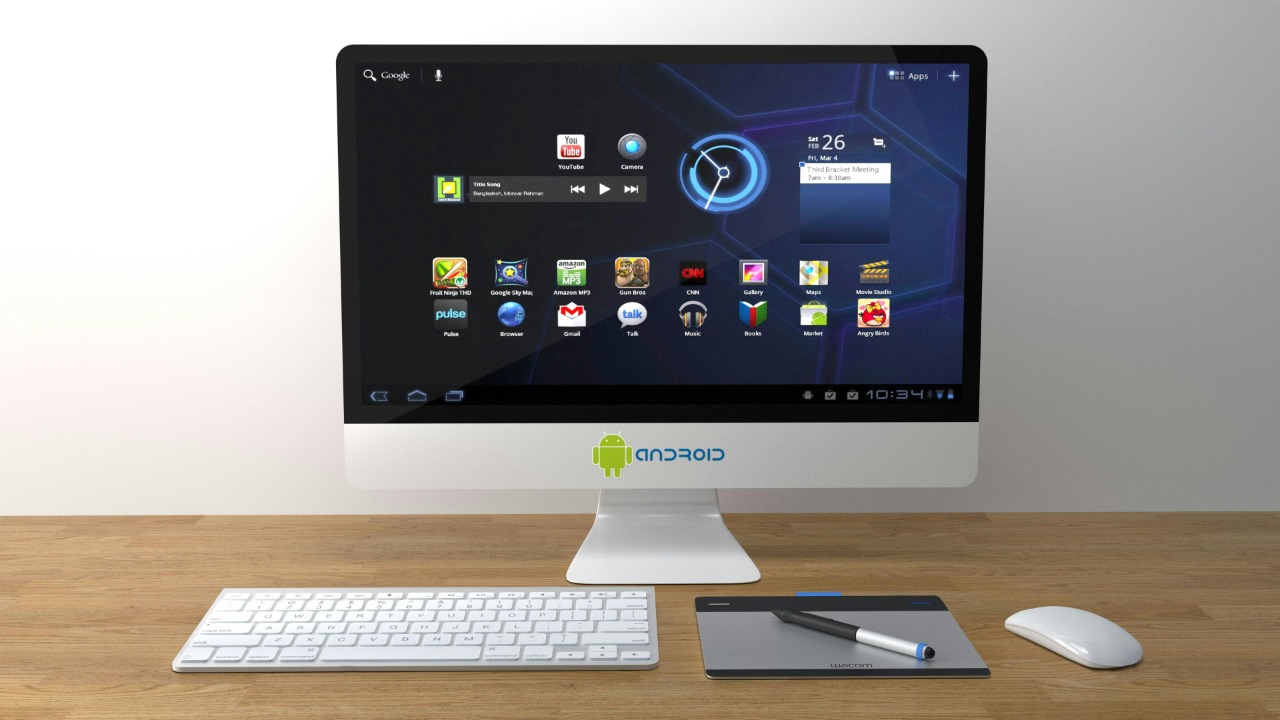
As the tablet market continues to evolve, the battle between Android tablets and iPads remains fierce. While Apple’s iPad has long been the favorite among many users, Android tablets are making strides with features that could tempt even the most loyal iPad user. Some compelling perks of Android tablets may sway iPad enthusiasts to reconsider their allegiance.
Customization and Flexibility
User Interface Personalization
One of the standout features of Android tablets is their high degree of customization. Users can personalize their home screens with a wide array of widgets, icons, and wallpapers, offering a level of personalization that is far more intricate than what iOS currently allows. For example, Samsung’s One UI and other custom Android interfaces let users tailor their device’s appearance and functionality to suit their preferences. This flexibility extends beyond mere aesthetics, allowing users to configure their devices in ways that enhance productivity and user experience.
File Management and Access
Android tablets provide users with a more traditional file management system, akin to what one might find on a desktop computer. This feature is particularly advantageous for those who manage a large number of files and need quick access to them. Android’s file system allows users to transfer files between devices easily, utilize folders and subfolders, and access a variety of file formats without restriction. This stands in contrast to iOS, which has a more limited file management approach, often requiring third-party applications for tasks that Android can handle natively.
Default App Choices
Another aspect where Android shines is its allowance for default app selection. Users can choose which apps they prefer for tasks such as web browsing, email, and navigation. For instance, if someone prefers Firefox over Chrome or Gmail over another email client, Android makes it simple to set these preferences as defaults. This level of choice is a significant draw for users who appreciate controlling their digital environment.
Hardware Variety and Price Range
Diverse Device Options
The Android tablet ecosystem offers a wide range of models and specifications, catering to diverse user needs. Whether one seeks a powerful device for gaming, such as the Samsung Galaxy Tab S9, or a budget-friendly option like the Lenovo Tab M10, Android tablets provide myriad choices. This variety ensures that users can find a device that meets their specific requirements, whether those involve screen size, processing power, or battery life.
Competitive Pricing
Android tablets often present more competitive pricing compared to their Apple counterparts. Manufacturers like Samsung, Lenovo, and Huawei offer tablets at various price points, making them accessible to a broader audience. For instance, while the iPad Pro may cater to high-end users, devices like the Amazon Fire HD 10 provide basic functionality at a fraction of the cost. This range in pricing allows users to select a tablet that fits their budget without sacrificing essential features.
Expansive Accessory Compatibility
Accessory compatibility is another area where Android tablets excel. Many models support a wide array of peripherals, from keyboards and styluses to cases and chargers. This compatibility is often available at varying price points, allowing users to enhance their tablet experience without breaking the bank. The Samsung Galaxy Tab series, for instance, offers the S Pen for artists and note-takers, while budget models might support third-party accessories that offer similar functionality.
Integration with Other Platforms and Devices
Cross-Platform Connectivity
Android tablets excel in cross-platform connectivity, providing seamless integration with a variety of operating systems, including Windows and Linux. This capability is particularly beneficial for users who operate in mixed-technology environments, allowing for smooth data transfer and synchronized workflows. For example, applications like Microsoft’s Your Phone app enhance integration between Android devices and Windows PCs, enabling users to manage notifications, messages, and even make calls directly from their computers.
Universal Charging and Connectivity
With USB-C becoming the standard for many Android tablets, users benefit from universal charging solutions and improved connectivity with a broad range of peripherals. This universal standard simplifies the user experience, eliminating the need for multiple chargers and cables. USB-C also supports faster data transfer rates and can power external devices, making Android tablets versatile tools for both personal and professional use.
Smart Home Integration
Another advantage of Android tablets is their compatibility with numerous smart home devices and ecosystems. Whether it’s controlling lights with Google Assistant or managing security cameras, Android tablets offer a smoother experience for users invested in smart technology. The open nature of the Android ecosystem allows for integration with a wide variety of brands and devices, providing users with a centralized hub for their smart home needs.
Software and App Ecosystem
Open Source Advantage
The open-source nature of Android offers users a broader selection of applications and customizations. Unlike iOS, Android allows for the installation of third-party apps from various sources, providing users with more software options. This is particularly advantageous for tech-savvy users who wish to explore applications beyond what is available on the Google Play Store. The ability to sideload apps also means users can enjoy niche applications and tools tailored to specific needs.
Google Services Integration
Another significant benefit is the deep integration with Google services, such as Google Assistant, Google Drive, and Google Photos. These services are often integral to users who rely on the Google ecosystem for productivity and cloud storage. Features like real-time document collaboration via Google Drive or seamless photo backup with Google Photos offer compelling reasons for users to consider Android tablets over competitors.
Third-Party App Freedom
Android’s flexibility extends to its application ecosystem, where users are free to explore third-party applications without the restrictions common in the Apple App Store. This freedom allows users to customize their devices with apps that meet their specific needs, whether for productivity, entertainment, or personal use. For instance, apps like Nova Launcher can dramatically alter the user interface, providing a unique and tailored experience not possible on iOS.
Innovative Features and Technologies
Multitasking Capabilities
Many Android tablets are equipped with advanced multitasking features, allowing users to enhance their productivity. Features such as split-screen mode and floating apps enable users to work on multiple tasks simultaneously. For example, using the split-screen feature, one can browse the web while taking notes, or participate in a video call while referencing documents. This capability is particularly beneficial for users who need to multitask efficiently.
Expandable Storage Options
One of the notable advantages of Android tablets is the option for expandable storage via microSD cards. This feature provides users with the flexibility to increase their device’s storage capacity without incurring the high costs associated with purchasing higher-capacity models. This is especially useful for users who store large files, such as videos or high-resolution photos, ensuring they never run out of space.
Advanced Display Technologies
Android tablets are making significant strides in display technology, offering features such as AMOLED displays and high refresh rates. Devices like the Samsung Galaxy Tab S8 Ultra boast stunning visuals with vibrant colors and deep contrasts, providing an exceptional viewing experience. These advancements in display technology make Android tablets attractive options for gamers, media consumers, and professionals who demand high-quality visuals.