
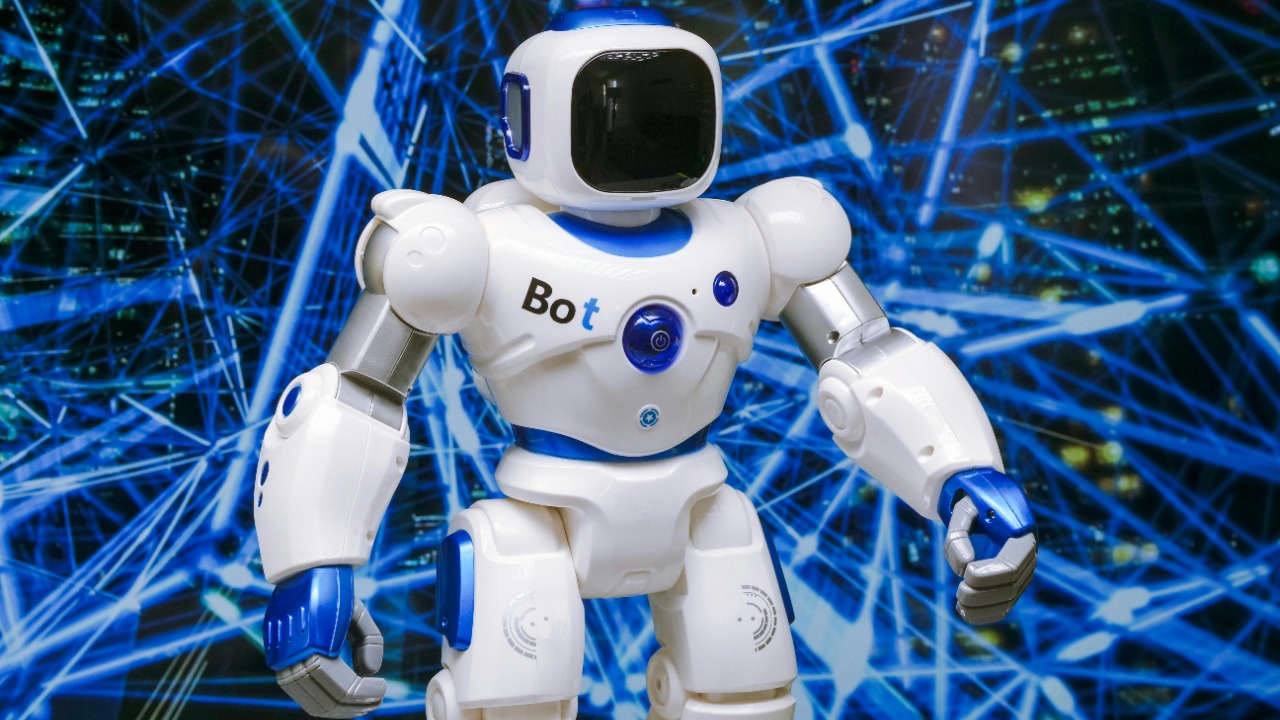
A US-backed company has recently announced plans to export Chinese-made humanoid robots, entering a competitive market dominated by established players. Despite facing stiff competition, the firm’s strategic approach and unique offerings could disrupt the industry. The dynamics at play and the potential impact of this move are noteworthy.
Background of the US-Backed Firm
The US-backed firm in question has a storied history in the realms of robotics and artificial intelligence. Founded two decades ago, it quickly established itself as a pioneer in AI-driven solutions, with several successful projects under its belt. Its commitment to innovation has been evident in its continuous investment in cutting-edge technology and talent acquisition. The company’s robust R&D department has allowed it to stay at the forefront of technological advancements, particularly in robotics.
Over the years, the firm has engaged in numerous international ventures, forming strategic partnerships across the globe. Notably, its collaboration with European tech firms on autonomous vehicle technology set a precedent for its current endeavor with Chinese manufacturers. Key figures in the company, including its visionary CEO and a team of seasoned executives, have been instrumental in driving the export initiative. Their collective expertise and strategic foresight have laid a solid foundation for this ambitious undertaking.
Understanding the Chinese Humanoid Robots
The Chinese humanoid robots that the firm plans to export are a testament to technological prowess and innovative design. These robots boast advanced capabilities, such as natural language processing, facial recognition, and autonomous navigation. With cutting-edge sensors and AI-driven algorithms, they can perform complex tasks, making them suitable for various applications, from customer service to healthcare.
The development of these robots was a collaborative effort between Chinese manufacturers and the US-backed firm. This partnership leveraged the strengths of both parties, combining the engineering expertise and manufacturing capabilities of Chinese firms with the AI and robotics knowledge of the US-backed company. This collaboration has resulted in a product that stands out in the global market, offering features that rival those of established players like SoftBank’s Pepper and Honda’s ASIMO.
Challenges from Established Rivals
The humanoid robot market is rife with competition, with major players like Boston Dynamics, Hanson Robotics, and SoftBank Robotics holding significant market shares. These companies have long established themselves as leaders in the field, with products that have garnered substantial attention and adoption across various sectors. The US-backed firm, therefore, faces formidable challenges in penetrating this highly competitive landscape.
One of the primary barriers to entry is the brand recognition and loyalty that established competitors enjoy. Companies like Boston Dynamics have built a reputation for producing highly advanced robots, such as the Spot and Atlas models, which are widely used in industrial and research applications. To compete, the US-backed firm must overcome these entrenched positions by highlighting the unique benefits of its offerings and addressing any perceived gaps in its capabilities.
Strategic Advantages and Opportunities
Despite the challenges, the US-backed firm possesses several strategic advantages that could facilitate its entry into the market. One of its unique selling points is the integration of proprietary AI technologies that enhance the robots’ learning and adaptation capabilities. This innovation allows the robots to continuously improve their performance, making them more efficient over time and better suited to dynamic environments.
The firm has identified potential market segments and industries poised for adopting these humanoid robots. In particular, sectors such as healthcare, retail, and hospitality present significant opportunities for deployment. By focusing on these areas, the company can tailor its marketing and export strategies to meet the specific needs of these industries, thereby increasing its chances of success in the global market.
To achieve its goals, the firm has devised a comprehensive international marketing strategy. This includes forming partnerships with local distributors and leveraging digital marketing channels to raise awareness and generate demand. By employing a targeted approach, the company aims to establish a strong foothold in key regions and gradually expand its presence worldwide.
Implications for the Robotics Industry
The entry of a US-backed firm into the humanoid robot market could significantly shift market dynamics and the competitive landscape. With its innovative offerings and strategic approach, the firm has the potential to disrupt the status quo, challenging the dominance of established players. This development could lead to increased competition, driving further innovation and advancements in robotics technology.
The impact on global supply chains is also worth considering. As the firm begins exporting Chinese-made humanoid robots, it could influence the distribution and manufacturing processes within the industry. This move may encourage other companies to explore similar collaborations, potentially leading to a more interconnected and efficient global supply chain.
Looking ahead, the humanoid robot industry is poised for continued growth, with new trends emerging in response to evolving market demands. As the US-backed firm makes its mark, it could pave the way for increased adoption of humanoid robots across various sectors, driving further technological innovation and expanding the industry’s reach. The future holds exciting possibilities for both companies and consumers as the world embraces the potential of humanoid robotics.