
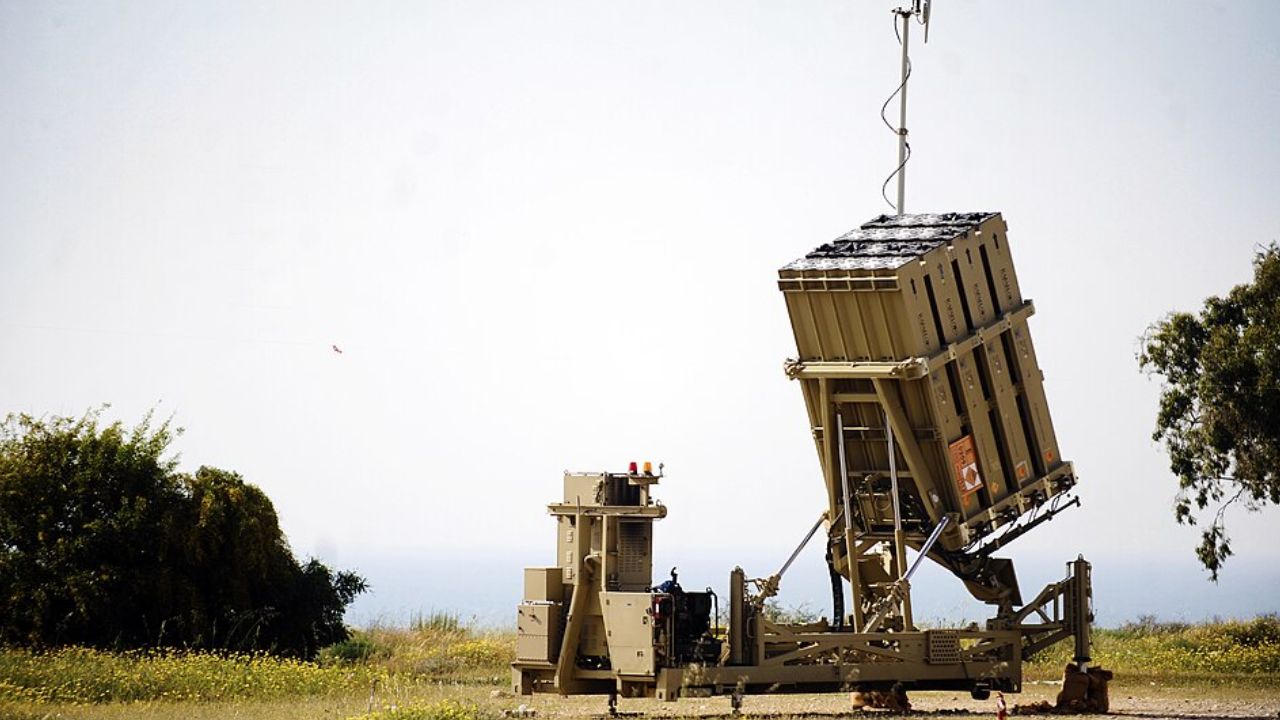
In the heat of battle, some combat systems have shown remarkable resilience, performing admirably even under extreme damage. This list highlights seven such systems that have been tested in real-world conflicts and emerged as reliable forces on the battlefield. From advanced fighter jets to cutting-edge missile defense systems, these are the combat systems that continue to push the boundaries of military technology.
The Resilient Aegis Combat System

The Aegis Combat System has proven itself time and again as a cornerstone of naval defense. Designed to track and destroy enemy targets with precision, it has been vital in numerous real-world scenarios. For instance, during the 1980s, the USS Vincennes was able to track and engage multiple airborne targets simultaneously, showcasing the system’s ability to perform under pressure. Aegis continues to evolve, now integrating with advanced missile systems to counter modern threats.
Despite sustaining significant damage in combat situations, Aegis-equipped ships have maintained operational capabilities. This resilience is partly due to the system’s distributed architecture, allowing it to function even when some components are compromised. Such robustness ensures that naval forces equipped with Aegis can continue to defend against potential threats effectively.
The Enduring Stryker Armored Vehicle

The Stryker Armored Vehicle has been a workhorse for the U.S. Army since the early 2000s. Known for its versatility and adaptability, the Stryker has seen action in various conflict zones, including Iraq and Afghanistan. It’s equipped to handle a range of missions, from troop transport to reconnaissance, all while providing significant protection to its occupants.
One of the defining features of the Stryker is its ability to keep moving even after taking substantial damage. Its modular design allows for quick repairs and upgrades, which has proven invaluable in high-intensity environments. The vehicle’s resilience on the battlefield has helped troops maintain mobility and effectiveness in challenging situations.
The Robust M1 Abrams Tank

The M1 Abrams Tank is synonymous with heavy armor and firepower. First introduced in the 1980s, the Abrams has been a critical component of armored warfare, famed for its ability to withstand significant enemy fire. During the Gulf War, the M1 Abrams was instrumental in the swift coalition victory, taking hits and continuing to operate.
Its advanced composite armor and adaptive systems have set the standard for modern tanks. Even in severe battlefield conditions, the Abrams has demonstrated an ability to fight on, using its advanced targeting systems and powerful 120mm cannon to engage and destroy enemy threats effectively.
The Tenacious Apache Longbow Helicopter
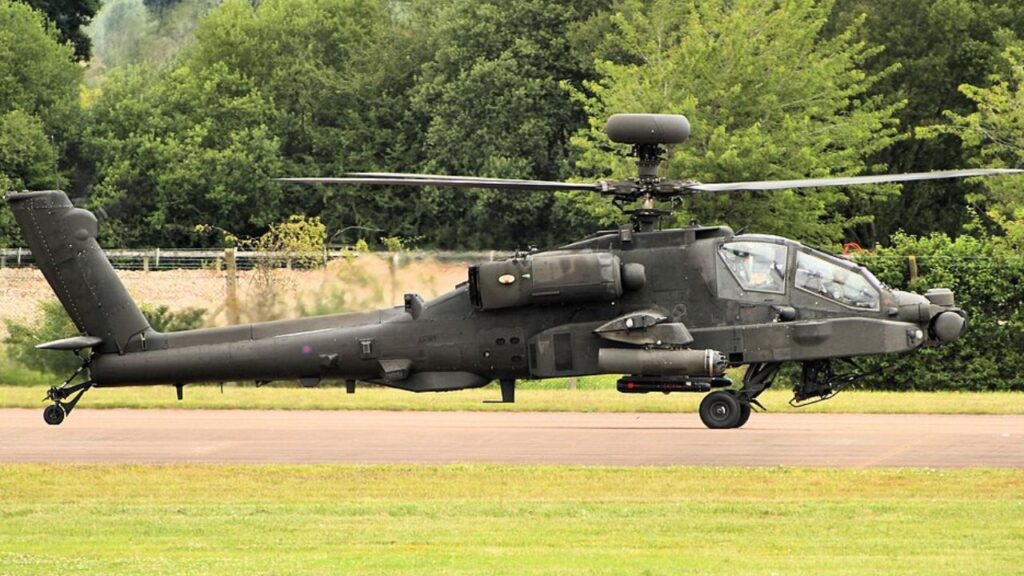
The Apache Longbow Helicopter is a formidable player in aerial combat. Known for its agility and firepower, the Apache can operate in various environments, from deserts to mountains. It gained fame during operations in the Middle East, where it provided close air support and reconnaissance for ground forces.
Despite taking direct hits from small arms fire and anti-aircraft weaponry, the Apache has shown an ability to complete missions and return to base. Its robust design and advanced avionics allow it to maneuver quickly, making it a challenging target for enemy forces. This tenacity ensures that the Apache remains a vital asset in any conflict.
The Unyielding Iron Dome Defense System
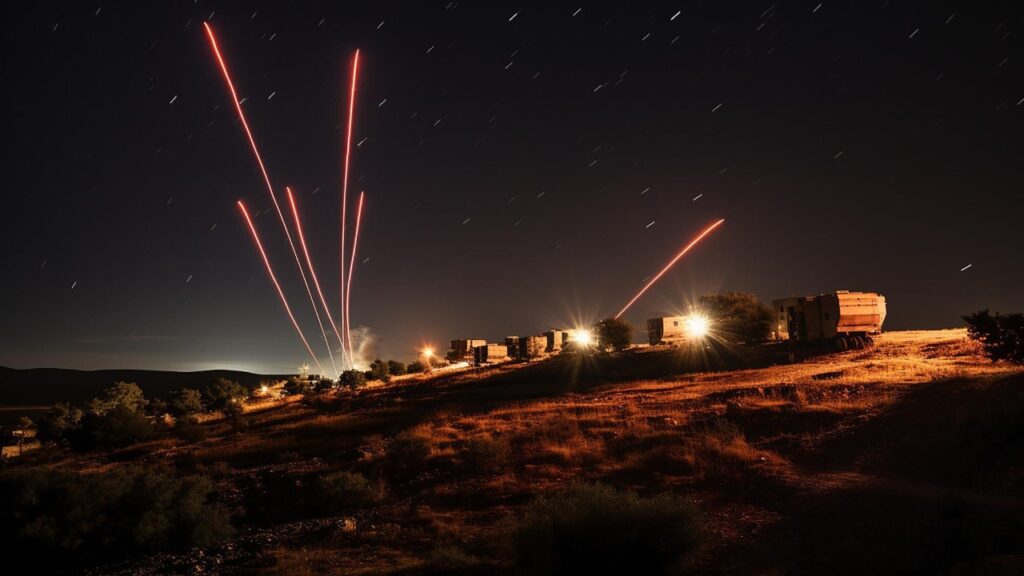
Israel’s Iron Dome Defense System has become a symbol of modern missile defense, successfully intercepting thousands of rockets since its deployment. The system is designed to detect and destroy short-range threats before they can cause harm, a capability that has been crucial in protecting civilian populations.
The Iron Dome’s performance in conflict zones has been nothing short of remarkable. Even when facing saturation attacks, the system has maintained a high interception rate. Its ability to adapt to evolving threats and continue functioning despite damage makes it a cornerstone of Israel’s defense strategy.
The Stalwart F-35 Lightning II Fighter Jet

The F-35 Lightning II Fighter Jet represents the cutting edge of aviation technology. This fifth-generation multirole fighter is designed for stealth, speed, and advanced sensor capabilities. It has been operational with various air forces worldwide, participating in missions ranging from air superiority to ground attack.
Even when sustaining damage, the F-35 can continue its mission thanks to its redundant systems and advanced avionics. This resilience, combined with its ability to evade detection, ensures that the F-35 remains a formidable presence in any theater of operations.
The Persistent USS Arleigh Burke-Class Destroyer

The USS Arleigh Burke-Class Destroyer is a mainstay of the U.S. Navy’s surface fleet. Renowned for its versatility, these destroyers are equipped to handle air, surface, and subsurface threats. During numerous deployments, they have demonstrated the ability to operate in hostile environments while sustaining damage.
The Arleigh Burke-Class’s robust construction and advanced defense systems allow it to continue missions even after sustaining hits. Its adaptability and resilience make it a key component of naval operations, providing a reliable platform for projecting power and ensuring maritime security.