
Over the years, military engineering has significantly influenced civilian vehicle design, resulting in rugged, durable, and high-performance models. These vehicles have been adapted to suit everyday needs while retaining robust features initially developed for military use. Here are seven civilian vehicles that trace their roots back to military engineering marvels.
Humvee to Hummer H1

The Hummer H1 is an iconic vehicle that draws its inspiration directly from the military Humvee. Originally designed for military use, the Humvee was known for its off-road capability and durability. The civilian Hummer H1, introduced in 1992, retained these features, offering a rugged design paired with powerful engines. While it was eventually discontinued in 2006, the H1 remains a symbol of military-inspired automotive engineering.
With its wide stance and impressive ground clearance, the H1 managed to capture the imagination of off-road enthusiasts and those seeking a vehicle with a commanding presence. Despite its hefty size and fuel consumption, the Hummer H1 continues to be celebrated for its military heritage and unmistakable design.
Jeep Wrangler

The Jeep Wrangler’s lineage traces back to the original Willys MB, a military vehicle used extensively during World War II. The Wrangler, introduced in 1986, embodies the ruggedness and versatility that made its ancestor a wartime hero. Known for its off-road capabilities, the Wrangler has become a favorite among adventurers and outdoor enthusiasts.
With its removable doors and roof, the Wrangler offers a unique driving experience that brings a sense of freedom and adventure. Over the years, it has evolved to include modern conveniences and safety features while preserving the rugged charm that pays homage to its military origins.
Mercedes-Benz G-Class

The Mercedes-Benz G-Class, affectionately known as the G-Wagon, began its journey as a military vehicle in the late 1970s. Its robust design and exceptional off-road capabilities quickly earned it a reputation for reliability in challenging terrains. In 1979, the G-Class made its transition to civilian markets, where it became synonymous with luxury and performance.
Despite its high-end appeal, the G-Class retains its military DNA with features like a ladder frame chassis and three locking differentials. The vehicle has become a status symbol, favored by celebrities and off-road enthusiasts alike, while still maintaining the ruggedness that defined its military past.
Land Rover Defender

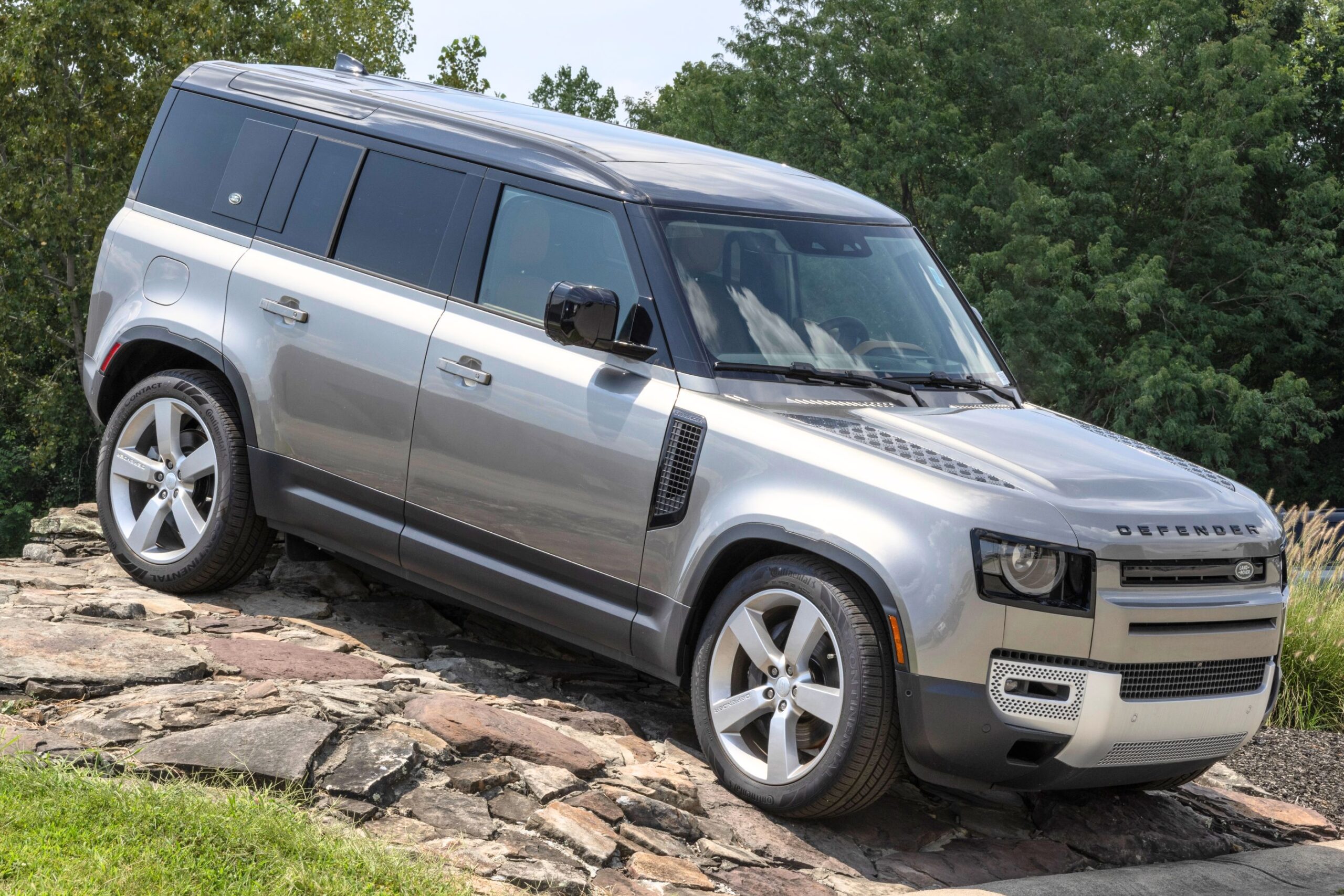
The Land Rover Defender traces its roots back to the original Land Rover Series I, introduced in 1948 and inspired by the Willys Jeep used in WWII. Known for its durability and simplicity, the Defender became a staple in military fleets worldwide. It was celebrated for its ability to traverse various terrains, from deserts to jungles.
In 1990, the Defender name was officially adopted, and the vehicle continued to gain popularity among civilian users. With its recent redesign in 2020, the Defender has embraced modern technology while retaining its iconic silhouette and off-road prowess, ensuring its place as a legend in automotive history.
Ford F-150 Raptor

The Ford F-150 Raptor is a prime example of how military engineering concepts can be adapted for civilian use. While not directly derived from a military vehicle, the Raptor incorporates technologies and designs from military-grade equipment to enhance its off-road performance. Introduced in 2010, the Raptor quickly became known for its high-performance capabilities and rugged design.
Built to tackle challenging terrains, the Raptor features a reinforced frame, high-output engines, and advanced suspension systems designed to absorb the impacts of off-road driving. This vehicle is perfect for those who seek adventure without compromising on power or capability.
Dodge Power Wagon
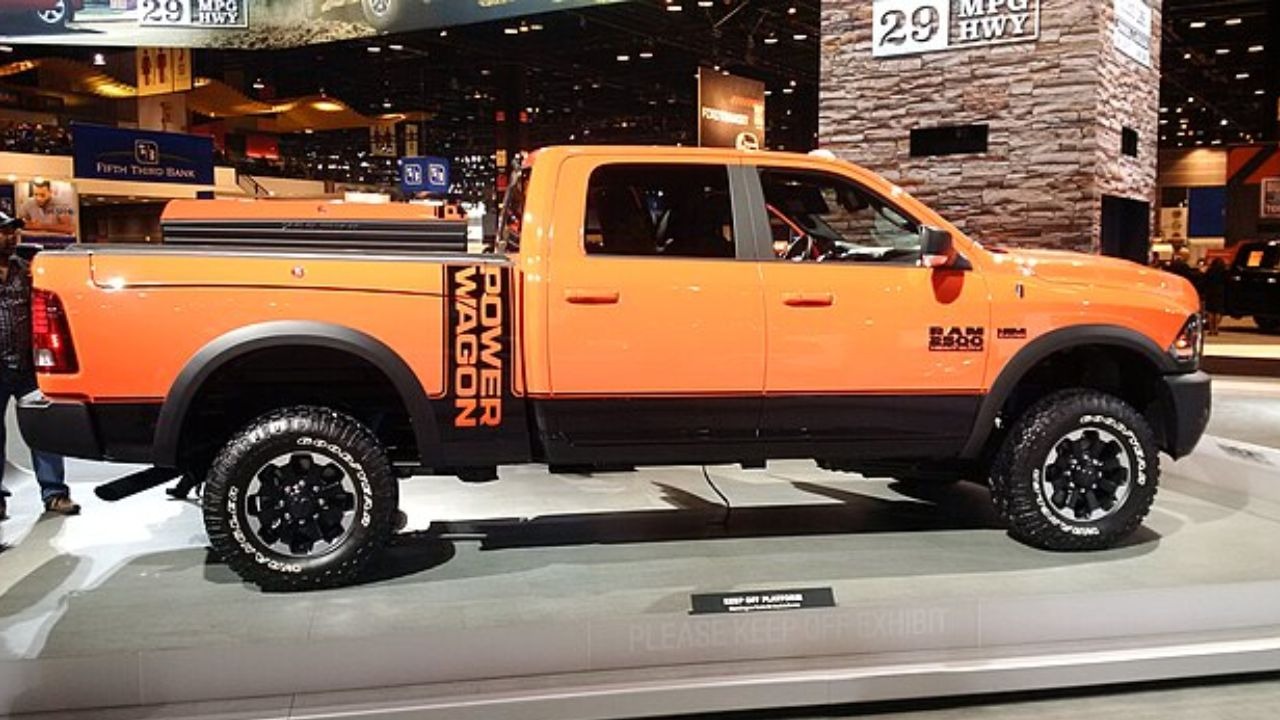
The Dodge Power Wagon’s history is rooted in military service, with its origins tracing back to the Dodge WC series used by the U.S. Army during World War II. The civilian version, introduced in 1946, carried over the robustness and off-road capabilities that made its military counterpart successful.
Known for its durability and power, the Power Wagon has evolved over the years to include modern features and technology. However, it still maintains its rugged appeal and remains a favorite among those who require a reliable vehicle for off-road and heavy-duty tasks.
Toyota Land Cruiser

The Toyota Land Cruiser’s journey began in the early 1950s with the BJ model, initially developed for military use in Japan. Over the years, the Land Cruiser evolved into a civilian icon, known for its durability and ability to conquer challenging terrains. The model has been a staple in remote areas around the world, valued for its reliability and robustness.
With its recent iterations, the Land Cruiser has embraced luxury and modern technology while maintaining its reputation for ruggedness. Whether used for urban driving or off-road adventures, the Land Cruiser continues to embody the spirit of military engineering adapted for civilian life.