
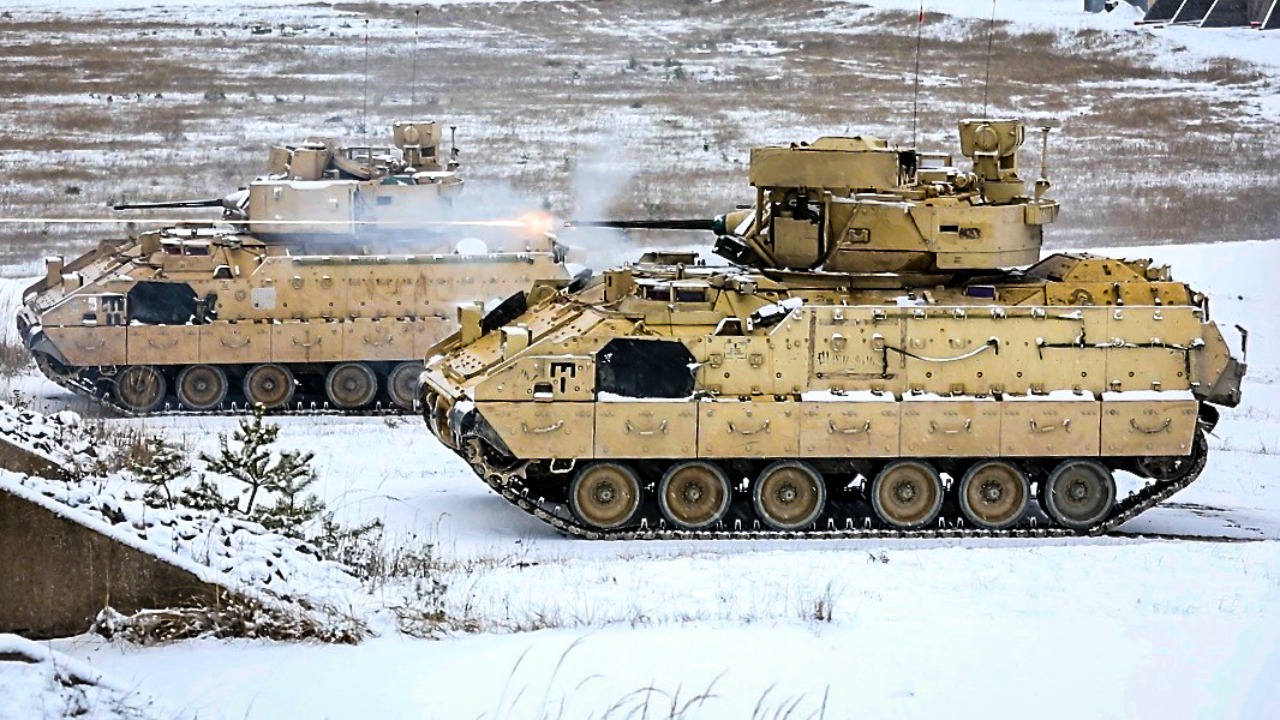
“Survivability” is one of the most-used words in defense marketing—and one of the easiest to misunderstand. No military vehicle is invincible. Even the most protected platforms can be defeated by the right weapon, the wrong angle, or a tactical mistake. What designers can do is improve the odds: reduce the chances of being detected and targeted, protect crews against the most common threats they’re likely to face (mines and IEDs, artillery fragments, anti-armor weapons, and increasingly drones and top-attack munitions), and keep vehicles recoverable and repairable after damage.
By 2026, hard lessons from Ukraine and the Middle East have pushed survivability beyond “more armor.” Mines continue to drive ground losses, precision fires punish static positions, and inexpensive loitering munitions and FPV drones have made roof protection, electronic countermeasures, and rapid adaptation part of the conversation for everything from tanks to logistics trucks. Below are 12 military vehicles and vehicle categories—across main battle tanks, infantry carriers, and protected mobility—chosen as examples of how modern forces try to stay alive. Effectiveness still depends on configuration, crew training, maintenance, and tactics.
1) M1 Abrams (U.S., General Dynamics Land Systems)
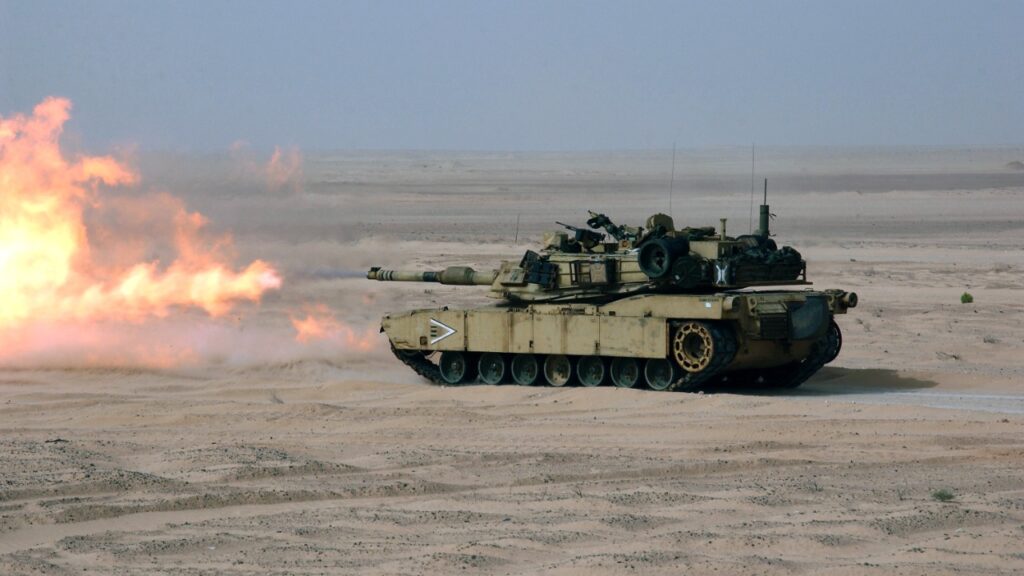
The M1 Abrams remains a reference point for crew protection in heavy armor warfare. Publicly discussed design choices emphasize keeping catastrophic ammunition events from immediately becoming fatal for the crew, along with armor packages and internal safety measures aimed at improving survivability when hit. Modernized variants are also associated with better sensors and networking—important because awareness and faster decision-making can reduce exposure in the first place.
In today’s environment, the Abrams also illustrates a reality of survivability: protection often comes with weight, sustainment demands, and recovery requirements. The ability to repair and return damaged vehicles to service can matter as much as the thickness of any single armor layer.
2) Stryker (U.S., General Dynamics Land Systems)

Stryker represents survivable mobility: moving infantry and support elements under small-arms and fragment threat while remaining more deployable and road-mobile than heavy tracked armor. Wheeled armored vehicles in this class are commonly discussed in terms of add-on armor kits, spall liners, and fire suppression, with variants tailored to different missions.
That balance is part of the survivability story. A vehicle that can be sustained, rotated, and repaired at scale helps keep crews in protected platforms rather than relying on thin-skinned transport in areas where mines and artillery fragments are routine.
3) Bradley (U.S., BAE Systems)
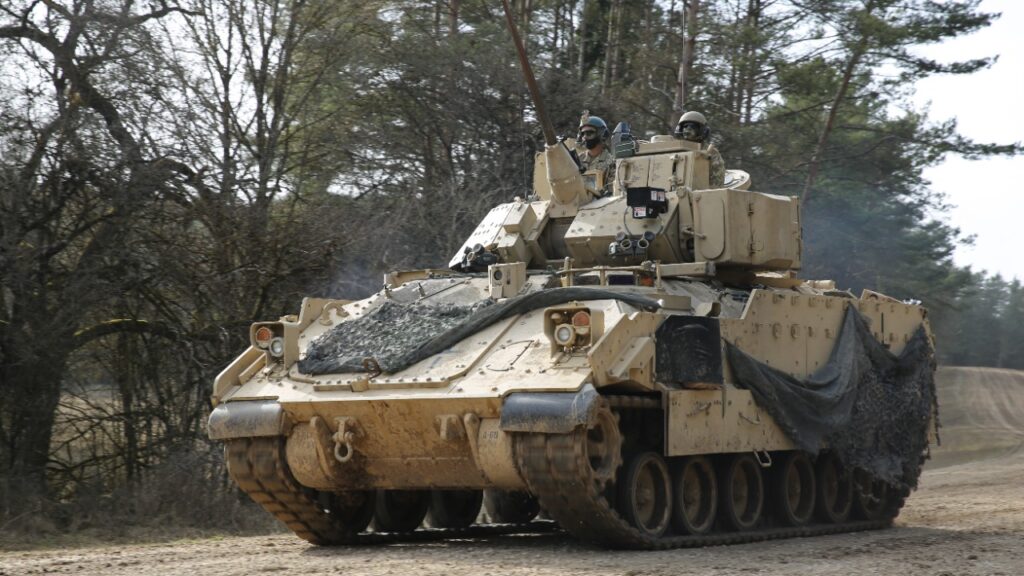
The Bradley infantry fighting vehicle (IFV) sits between tanks and troop carriers, expected to fight near armor while carrying dismounts. In survivability terms, IFVs generally rely on layered protection, spall mitigation, and design features intended to improve outcomes in blast and fragment events, alongside upgrades that improve situational awareness over time.
Bradley’s continued presence in modern discussions reflects a broader point: platforms can remain relevant when protection, awareness, and sustainment are improved as threats evolve.
4) Leopard family (Germany and partners, Rheinmetall/KMW)
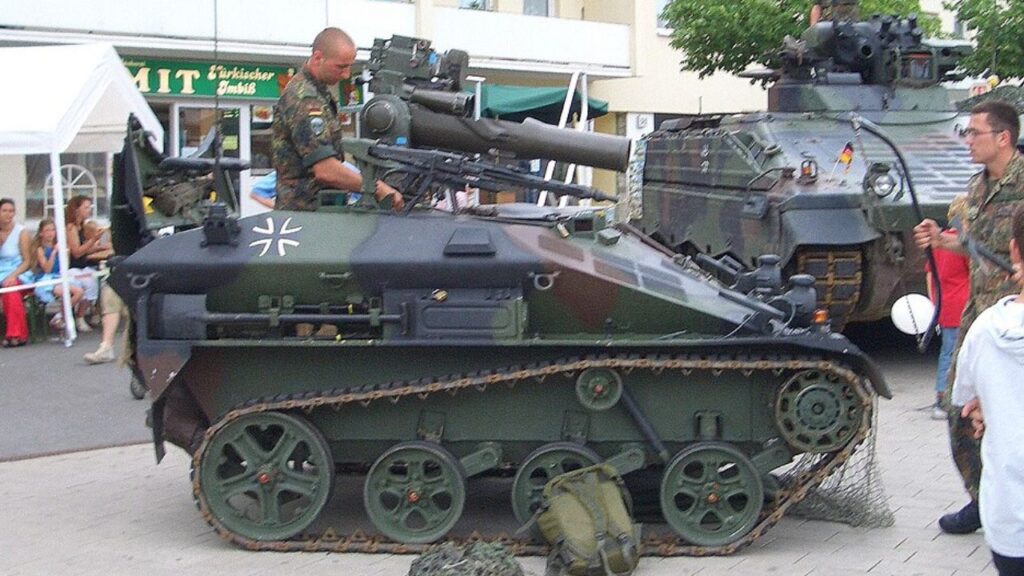
Leopard-family tanks—associated with German industry, including Rheinmetall and Krauss-Maffei Wegmann—are widely viewed as part of NATO’s heavy armor backbone. Survivability themes for tanks in this class include composite armor, add-on protection packages, and integration paths for active protection systems (APS), which are intended to intercept some incoming anti-armor threats.
APS should be understood as risk reduction, not a guarantee. And for large fleets, survivability also depends on readiness: spare parts, depot-level repair capacity, and trained maintainers can be as decisive as any single protection upgrade.
5) Leclerc (France, Nexter/KMW ecosystem)
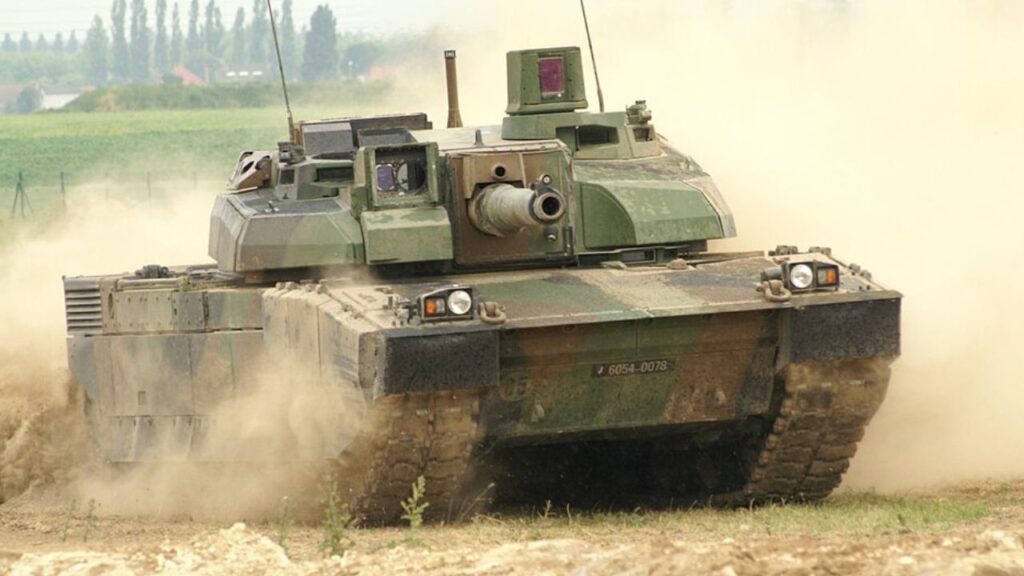
France’s Leclerc is often discussed as a high-end European tank design tied to a national and cooperative industrial base (with Nexter and KMW connected to broader European efforts). Many performance details are not publicly verifiable in a way that supports precise claims, but the survivability themes align with modern tank design: layered protection concepts, crew-focused safety measures, and sensors that support faster threat detection and engagement.
In high-intensity conflict, that “first detect, first act” cycle is closely linked to survival—especially when artillery, drones, and anti-armor teams punish vehicles that are slow to spot danger.
6) Merkava (Israel, Israeli Ministry of Defense/industry base)
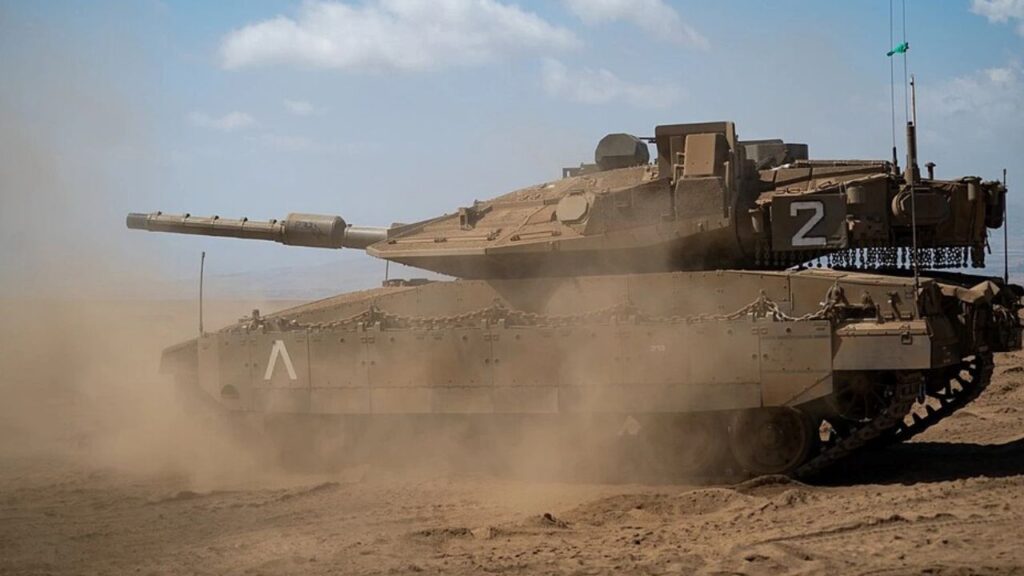
Israel’s Merkava is frequently cited in discussions of survivability-first tank design, shaped by a security environment where mines, anti-armor ambushes, and rapid adaptation have long been central concerns. The Merkava story is less about a single device and more about an approach: prioritize crew survival, plan for recovery and repair, and iterate quickly as threats change.
That mindset is increasingly relevant as persistent surveillance and cheap strike systems compress the time between detection and attack.
7) Namer (Israel, Israeli MoD/industry base)
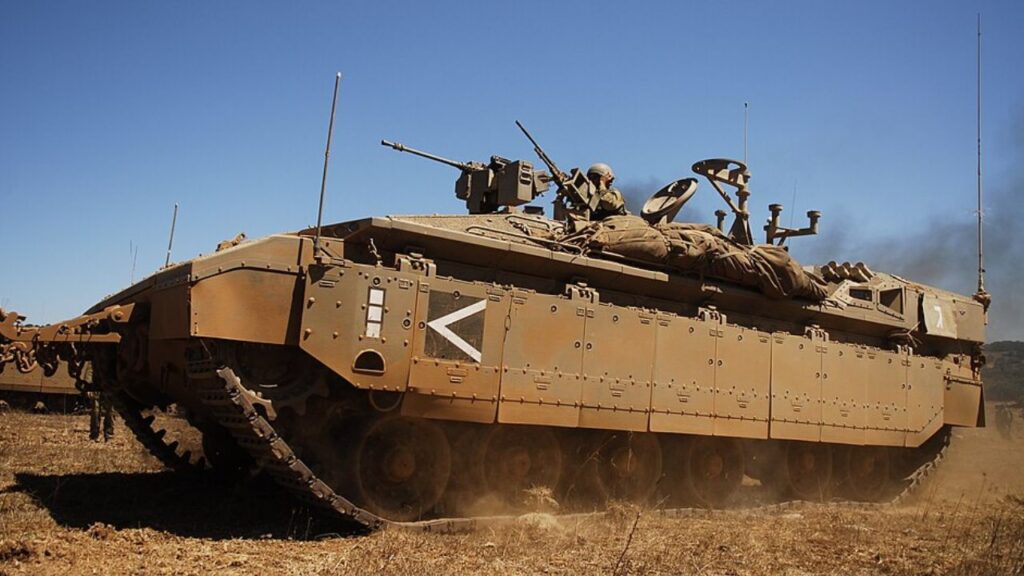
The Namer heavy armored personnel carrier (APC) highlights a different tradeoff: transporting infantry in a vehicle built around very high levels of protection, accepting weight and cost penalties. Heavy APCs exist because “protected mobility” is not always enough when dismounts must cross ground dominated by mines, fragments, and anti-armor weapons.
In practical terms, the goal is to make the troop compartment as survivable as possible, not just the front seats. The downside is demand: heavy carriers can be expensive and maintenance-intensive, which can constrain fleet size and availability.
8) Modern MRAP-class vehicles (U.S. and allies; multiple makers)
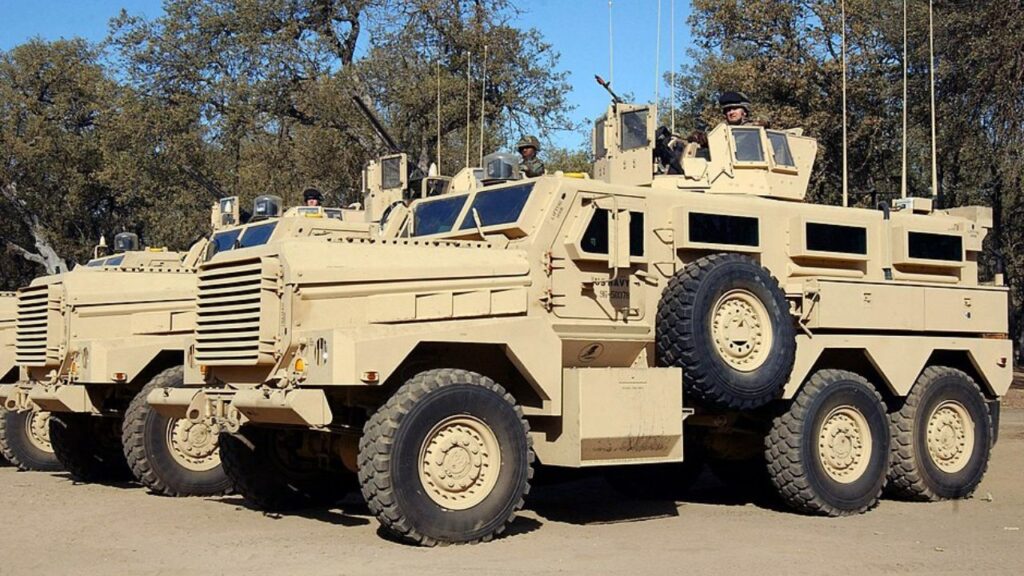
MRAPs—mine-resistant ambush-protected vehicles—were built around a blunt lesson: blasts can be the primary killer in many operational environments. Their signature survivability feature is blast-deflecting hull geometry (often described as a V-hull) intended to reduce the force transmitted into the crew compartment during mine and IED strikes.
MRAPs are not tanks and are not meant to exchange direct fire with anti-armor weapons. Their value is improving the odds against mines, roadside bombs, and fragments compared with unarmored or lightly protected trucks. As forces refocus on peer conflict, MRAP survivability increasingly intersects with warning, counter-drone awareness, and electronic protection—measures that may not stop every threat but can reduce surprise and limit casualties.
9) Modern IFV/APC families with APS growth paths (NATO and partners; BAE/Rheinmetall/Nexter ecosystems)
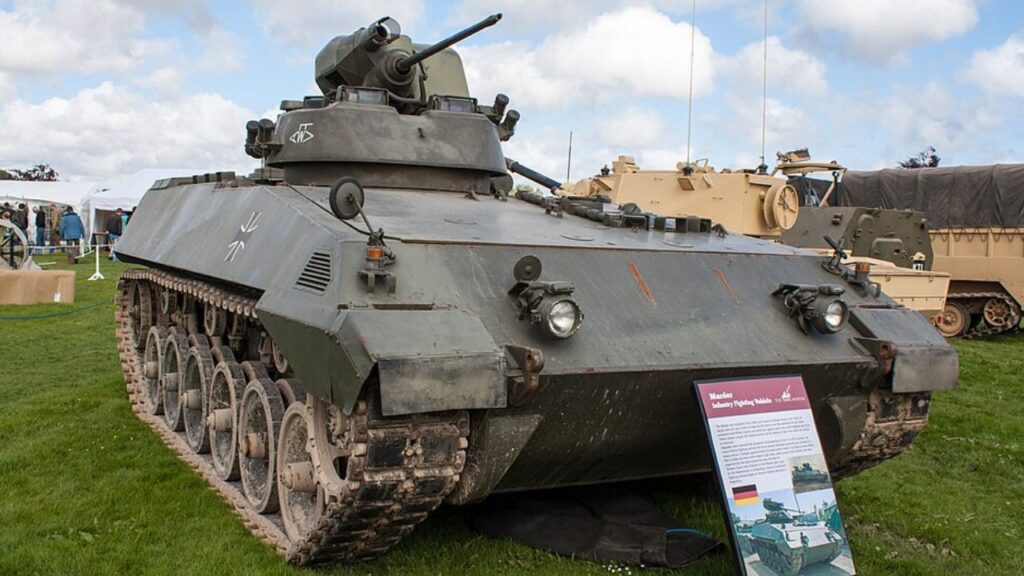
Across NATO and partner fleets, a common trend is modular protection: a base vehicle with mission-specific add-ons, spall liners, improved seating and floor designs for blast events, and fire suppression. Another clear direction is wider APS adoption, driven by the prevalence of anti-tank guided missiles (ATGMs) and the limits of relying on passive armor alone.
Because APS outcomes depend on the specific system, how it is integrated, and the tactical situation, it is best framed as lowering risk rather than providing immunity. Strategically, the growth-path approach matters because it allows survivability improvements through upgrades and retrofits instead of waiting for slow, clean-sheet replacement programs.
10) T-90/T-14 as examples of Russian tank approaches (Russia)
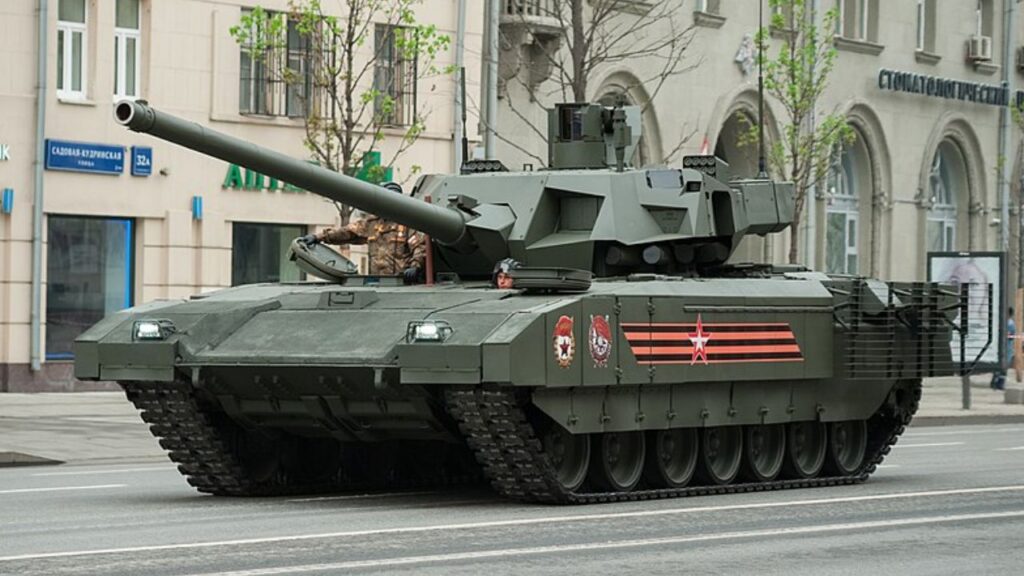
Russian tank designs such as the T-90 and the newer T-14 are often discussed in terms of layered armor concepts and the use of explosive reactive armor (ERA). Public visibility into real-world performance varies by model, configuration, and battlefield conditions, so broad claims should be treated cautiously.
At a general level, ERA is intended to disrupt certain shaped-charge threats, but it is not a universal answer—its effectiveness depends on placement, upkeep, and how a weapon attacks. Recent combat lessons have also pushed attention toward overhead protection, situational awareness, and counter-drone measures, because vehicles that cannot see, move, and adapt under constant surveillance are easier to immobilize and destroy regardless of their advertised frontal protection.
11) K2 Black Panther (South Korea) and Altay (Turkey) as modern MBT examples (South Korea/Turkey)
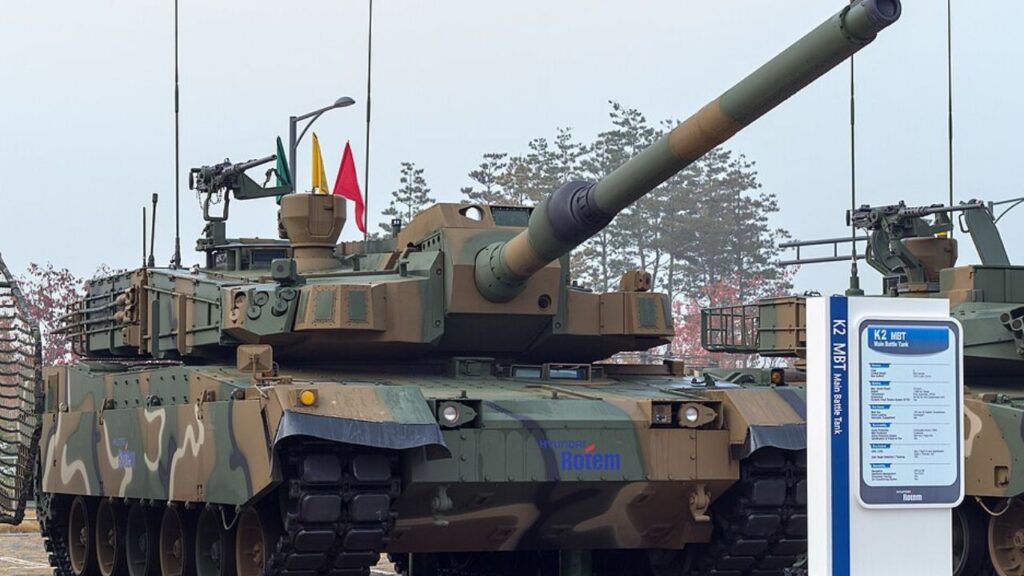
South Korea’s K2 and Turkey’s Altay are often referenced as modern main battle tank programs reflecting national industrial ambitions and contemporary survivability requirements. Without making narrow performance claims, they can be fairly described as part of the wider shift toward combining passive protection, digital systems, and the capacity to integrate additional defenses and sensors over time.
That “growth capacity” is a survivability feature in itself. Threats evolve faster than procurement cycles, and vehicles that can accept upgrades—rather than requiring a full replacement—give operators more options to respond.
12) Protected logistics and SOF mobility platforms (U.S./NATO focus; multiple makers)
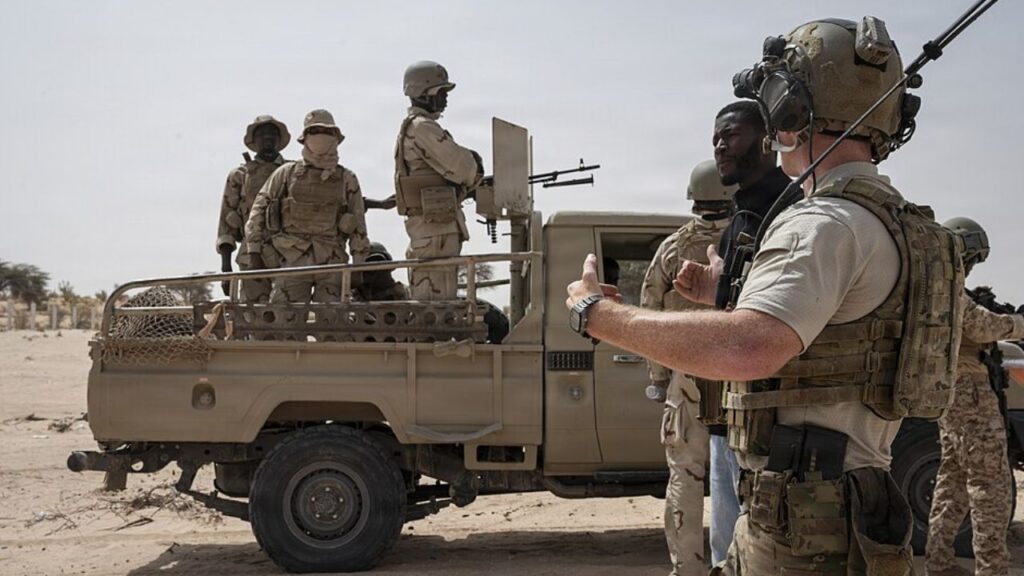
Not all survivability is about front-line armor. Protected logistics vehicles and special-operations mobility platforms matter because supply and recovery operations are frequent targets for mines, artillery, and drones. Practical survivability features in this space include modular armor, blast-mitigating seating, fire suppression, and resilient communications—measures that can help crews survive contact long enough to maneuver away, call for support, or recover a damaged vehicle.
This is where survivability connects directly to staying power. If a force loses drivers, mechanics, and recovery teams to avoidable attacks, combat power degrades quickly—even if its tanks and IFVs remain intact.
What survivability really buys—and what it doesn’t
Across these 12 examples, survivability can be thought of as four linked goals: reduce detection (signature management and discipline), reduce hits (awareness, maneuver, counter-recon), reduce the consequences of being hit (armor, blast design, APS), and reduce permanent losses after damage (recovery, repair, and sustainment). Recent conflicts have reinforced that drones and top-attack threats shorten reaction time, making sensors, electronic countermeasures, and training inseparable from “armor.” Survivability is a system problem—vehicle design, crews, tactics, and supply chains—measured not by perfection, but by how many trained people and usable vehicles remain after the first week of a high-intensity fight.