
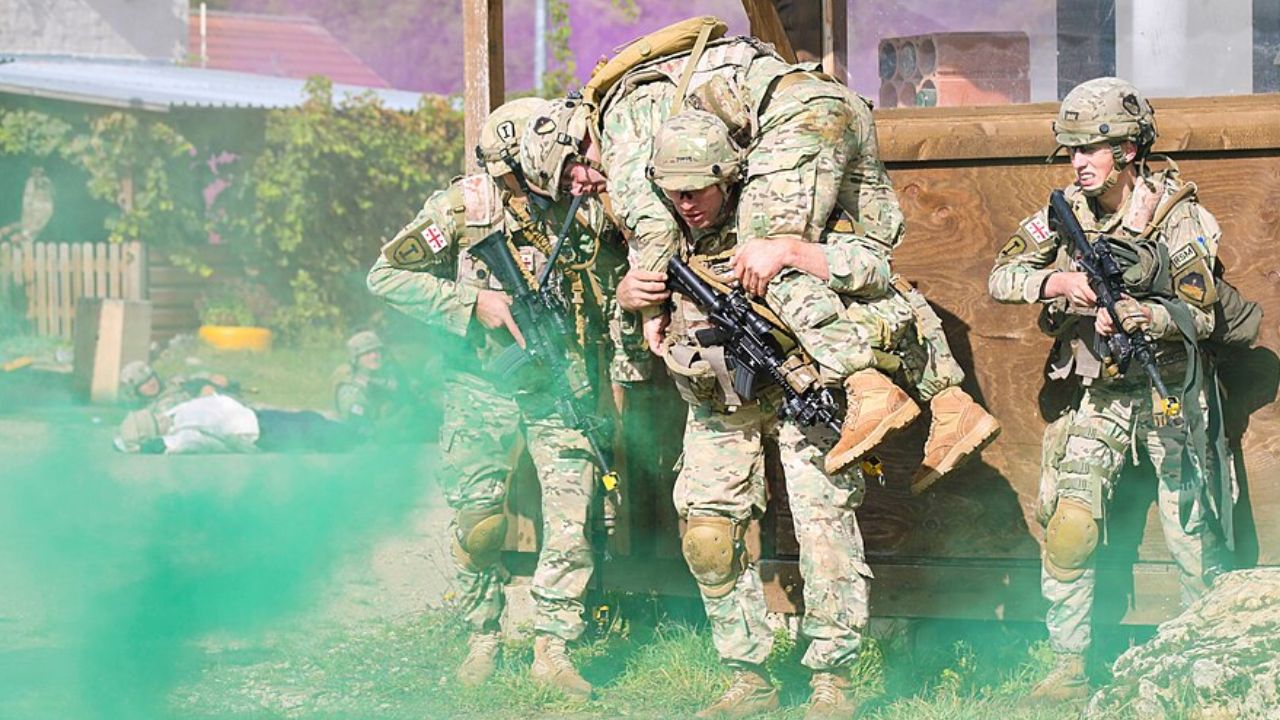
Modern militaries didn’t arrive at better battlefield survivability by accident. Across the hard learning cycles of Iraq and Afghanistan—and with the renewed demands of high-intensity war now evident in Ukraine—forces adjusted with a mix of gear, medical practice, and operating concepts designed to keep people alive long enough to be treated and returned, when possible, to duty.
No single tool is a “miracle.” Survivability is built in layers: reduce the chance of catastrophic injury, speed treatment and evacuation when it’s feasible, and keep units coordinated enough to avoid unnecessary exposure. Below are 11 battlefield innovations that, together, have improved the odds for troops on the ground.
1) Tactical Combat Casualty Care (TCCC)
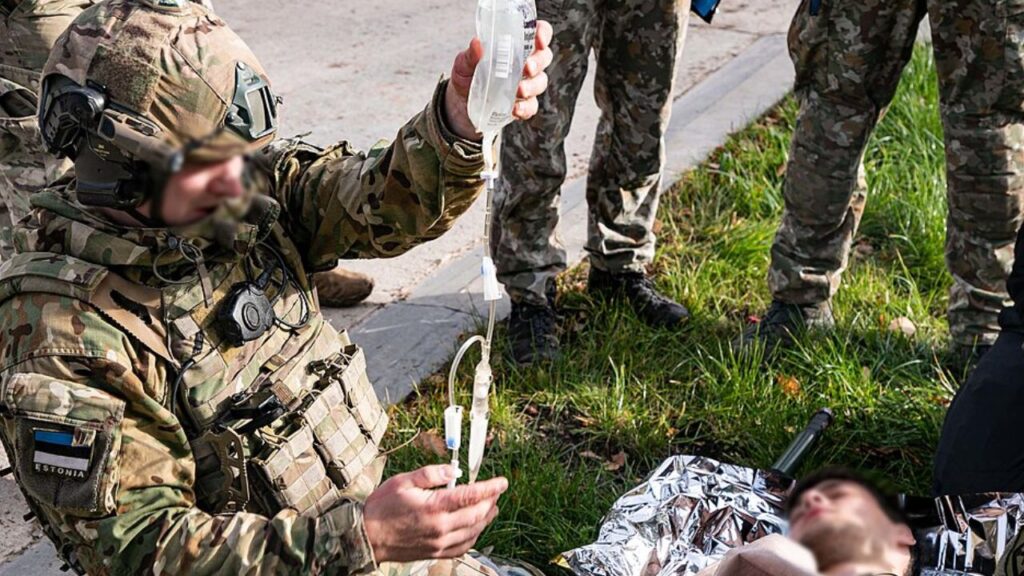
Tactical Combat Casualty Care is a doctrine and training framework that aligns battlefield medicine with combat realities: treat the right problem at the right time, under the right level of threat. It emphasizes priorities such as controlling life-threatening bleeding, managing airways when conditions allow, and moving casualties when tactically sound.
Its impact comes from standardizing decision-making under stress. TCCC also strengthened the feedback loop between deployed experience, training, and what units carry, reducing reliance on ad hoc methods between deployments.
2) Tourniquets as standard kit, not a last resort
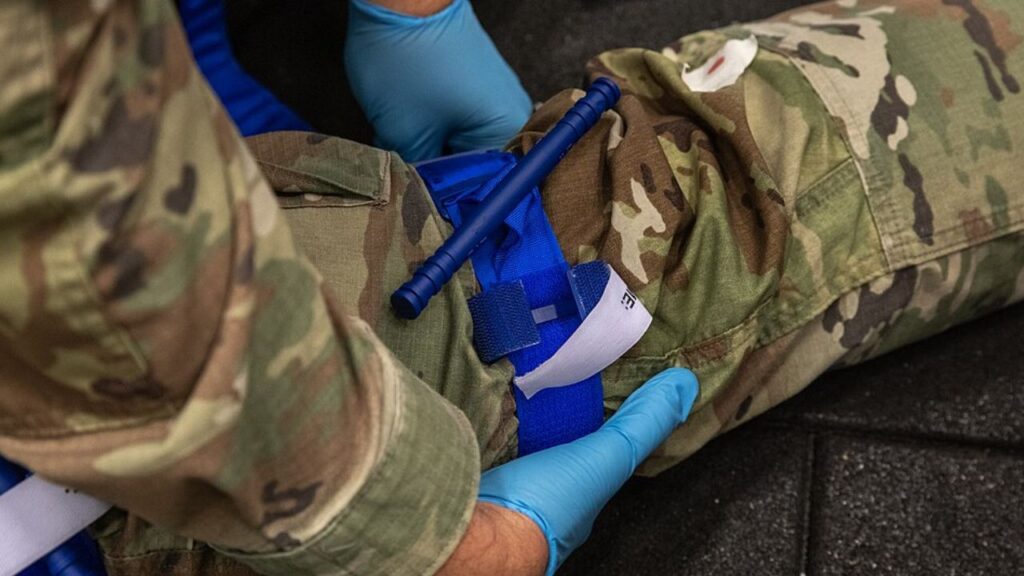
One of the most consequential changes in recent conflicts was also simple: making tourniquets routine equipment, backed by routine training. Paired with TCCC, tourniquets helped turn rapidly fatal extremity bleeding into an injury more troops could survive long enough to reach surgery.
There’s also a readiness component. Tourniquets are consumable, must be stocked in quantity, and need to be accessible to everyone—not only medics—because self-aid and buddy-aid may be the first (and only) care available in the first minutes after injury.
3) Hemostatic gauze and better wound packing
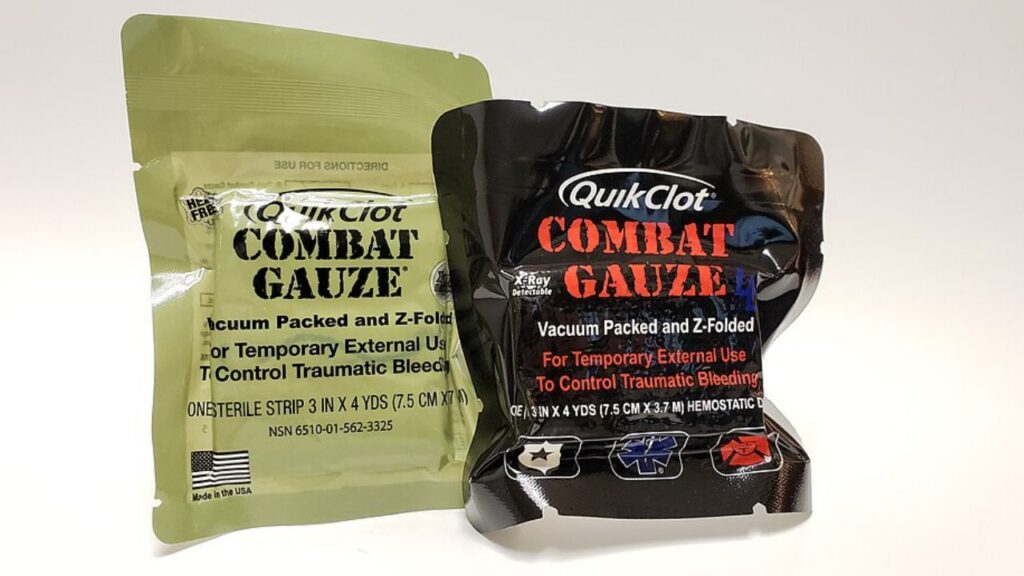
Hemostatic agents and improved wound-packing techniques addressed bleeding that tourniquets can’t stop, including junctional wounds where limbs meet the torso. The innovation isn’t just the product; it’s consistent training that makes correct use more likely under pressure.
At the operational level, this shifts some outcomes from “reach a surgeon fast or die” toward “stabilize now, survive long enough to move.” That becomes even more important when evacuation is delayed by distance, weather, terrain, or enemy action.
4) Better body armor and ballistic plates
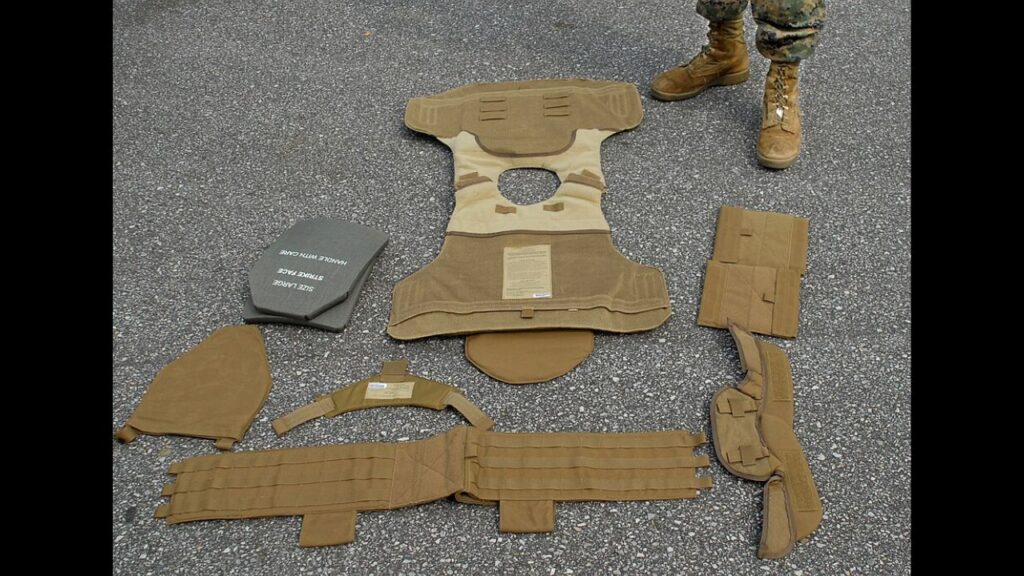
Improved ballistic plates and soft armor coverage reduced the likelihood that common threats would become immediately fatal torso wounds. No armor makes anyone invulnerable, and weight and mobility tradeoffs are real, but incremental improvements can matter across a force.
Armor is also a sustainment story: correct sizing, predictable replacement, and the ability to surge supply during wartime. The practical effect is fewer losses per engagement and more experienced personnel retained over time.
5) Advanced combat helmets and headborne protection
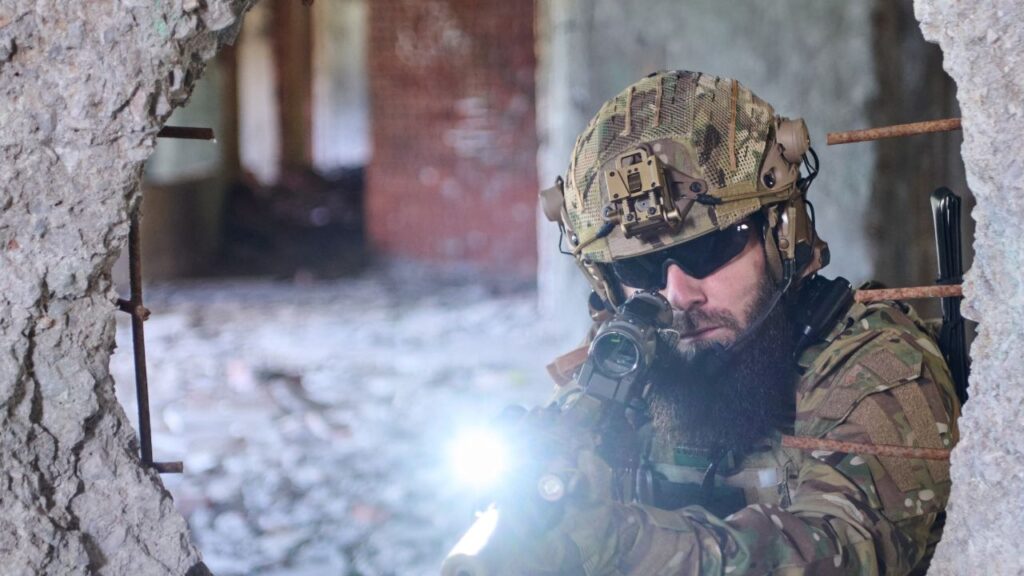
Alongside body armor, improved helmets helped reduce the severity of injuries from fragmentation and some ballistic threats. For many casualties, the difference is not “unharmed versus harmed,” but “survivable versus fatal,” or “recoverable versus permanently disabling.”
Modern helmets also serve as an integration point for communications headsets and night-vision mounts. That makes design and fit part protection and part functionality—and creates a need for compatible components, spares, and training that treats the helmet as a system rather than a standalone item.
6) MEDEVAC/CASEVAC systems that reduced time-to-treatment
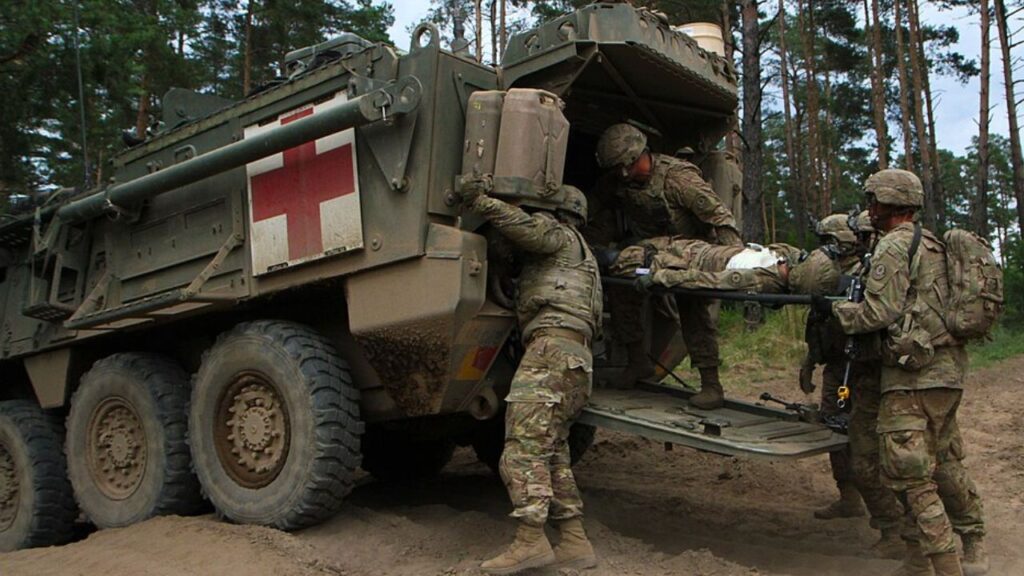
When evacuation works, it is a powerful survivability multiplier: moving casualties to higher care faster and more reliably. In Iraq and Afghanistan, dedicated medical evacuation (MEDEVAC) and well-rehearsed casualty evacuation (CASEVAC) procedures helped reduce delays between injury, stabilization, and surgery.
The challenge is that fast evacuation is not guaranteed in every fight. Contested airspace, long-range fires, and dispersed operations are pushing militaries to think more seriously about distributed care, ground evacuation capacity, and how to protect and sustain evacuation crews and aircraft.
7) Protected mobility: MRAPs and the hard lessons of the IED era
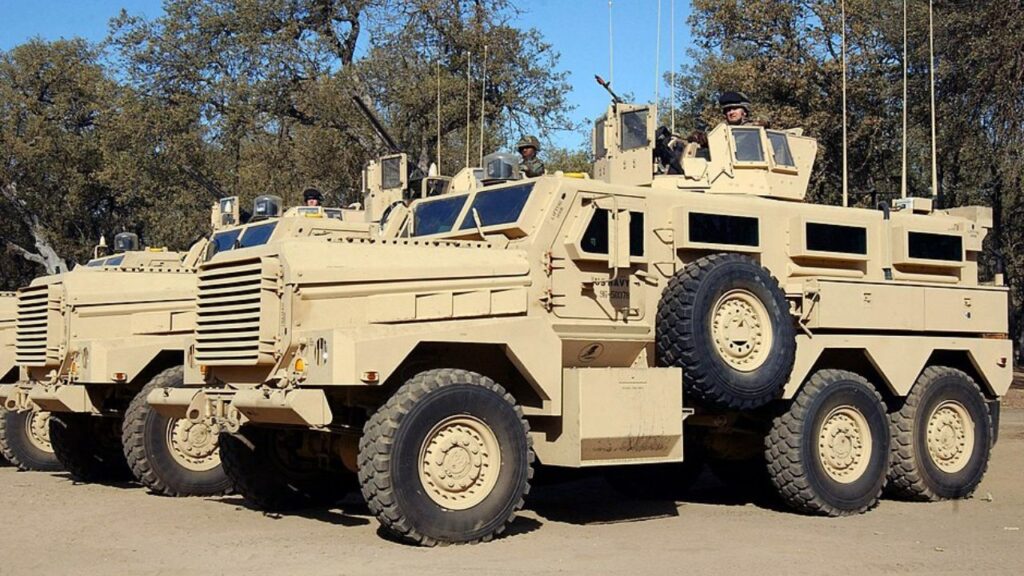
The Mine-Resistant Ambush Protected (MRAP) vehicle is a clear example of rapid procurement driven by battlefield necessity. Designed around blast-protection principles to counter improvised explosive devices (IEDs), MRAPs reduced vulnerability for troops moving on roads where IEDs were a dominant threat.
They also highlight tradeoffs. MRAPs are heavier, more maintenance-intensive, and can be less suitable for certain terrain and expeditionary requirements. Even so, the broader lesson remains: protected mobility can preserve combat power and morale, but it has to be balanced against deployability and sustainment.
8) Counter-IED efforts and electronic warfare (IED jamming)
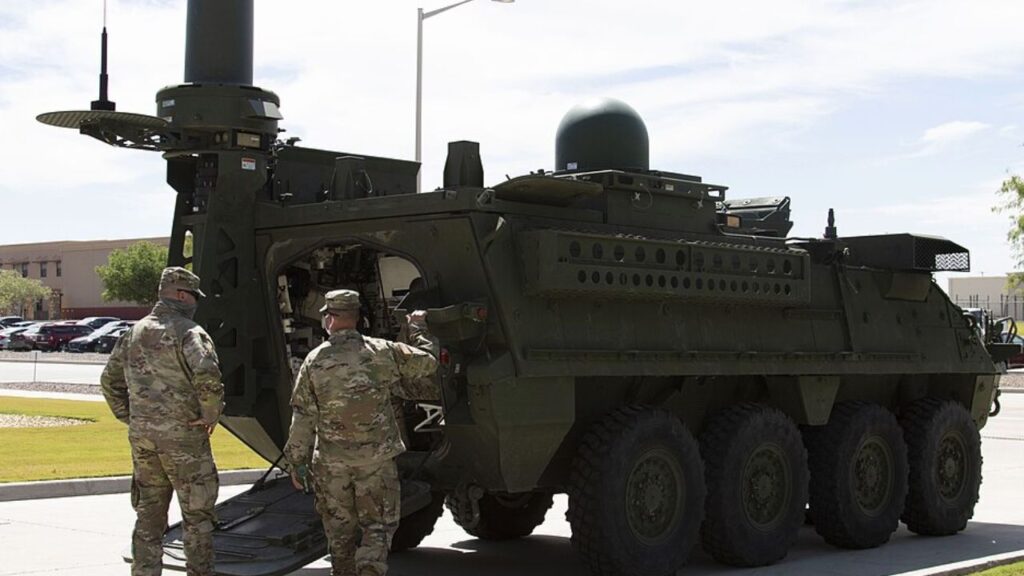
Protected vehicles were only one layer of the response. Counter-IED initiatives—including electronic warfare measures such as jamming—sought to reduce the effectiveness of remote-triggered explosives. These systems didn’t eliminate the threat; adversaries adapted with different triggers and tactics, and no single layer was decisive on its own.
What matters is the pattern of adaptation: field feedback drove changes in equipment, tactics, and training. That lesson carries forward as electromagnetic-spectrum contestation becomes a front-line reality and as the availability of EW equipment, spares, and trained operators becomes a constraint.
9) Improved communications that reduced isolation and confusion
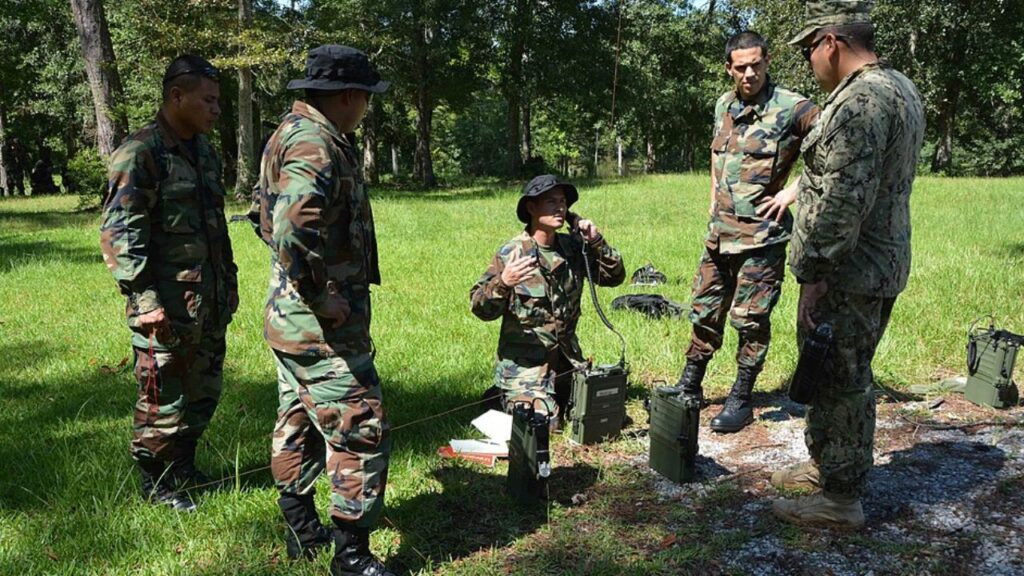
Survivability isn’t only about protection and medicine; it’s also about preventing avoidable exposures. More reliable tactical communications help units coordinate movement, request evacuation, and deconflict fires—reducing time spent exposed and lowering the chance that confusion compounds a bad situation.
Connectivity also creates vulnerabilities. Communications can be jammed or intercepted, so survivability increasingly depends on redundancy, disciplined procedures, and training that assumes networks may degrade at the worst possible moment.
10) ISR that helped units avoid contact or choose it on better terms
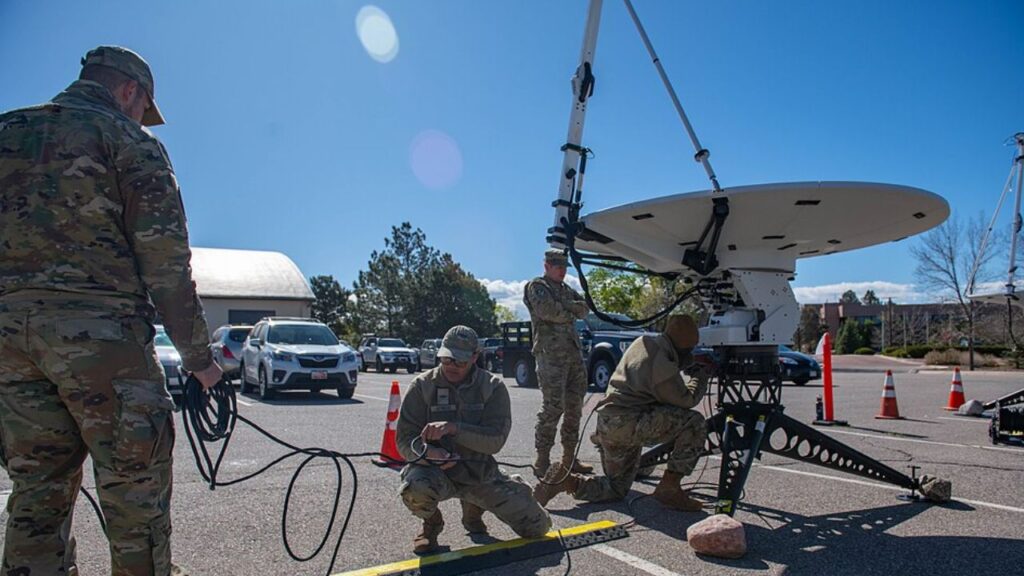
Intelligence, surveillance, and reconnaissance (ISR)—including unmanned systems where available—can improve survivability by giving commanders and small units a clearer picture of what lies ahead. Better awareness can mean fewer ambushes, better route selection, and earlier warning of threats such as IED emplacement or enemy maneuver.
ISR also drives an adaptation race. As sensors spread, so do countermeasures and deception, and forces must plan for platforms and payloads that may be lost, degraded, or consumed quickly in modern fighting.
11) A renewed focus on contested evacuation and prolonged field care
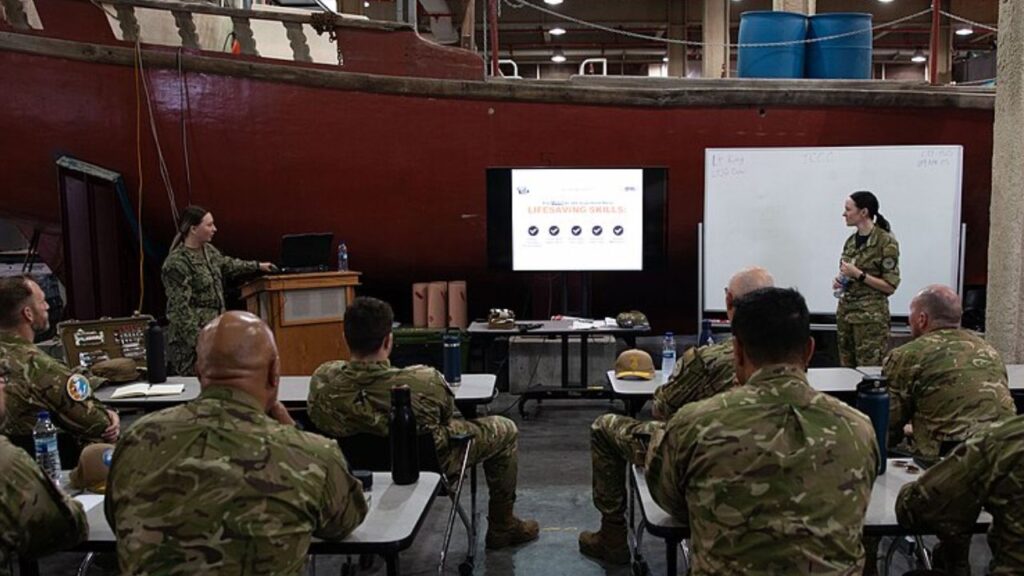
As evacuation becomes less predictable in peer-capable or high-intensity fights, militaries are re-emphasizing the skills and equipment needed to keep casualties alive longer when movement to higher care is delayed. This extends the practical application of TCCC principles into longer timelines and harsher conditions.
The implications are straightforward: more training time, more supplies positioned forward, and more emphasis on unit-level competence—not only specialist medics. It also requires planning for consumables that can be used quickly during intense operations.
Why these innovations matter now
Improved survivability preserves combat power in plain terms: more units remain effective because more experienced people survive. It can also reduce strain on personnel systems over long wars by limiting losses and the most severe injuries, even as it increases demands on training and sustainment.
What changes next is likely to be less about a single new platform and more about integrating these layers under realistic assumptions: enemy adaptation, degraded communications, contested airspace, and the uncomfortable reality that the fastest rescue is not always available. The forces that improve survivability the most will be those that combine protection, care, evacuation planning, and rapid learning into one coherent system.