
World War II is often told through marquee platforms—carrier task forces, heavy bombers, and tank armies. But outcomes were also shaped by less glamorous technologies and enablers that multiplied the value of existing forces, reduced losses, and helped industrial scale translate into battlefield effect. Across the U.S., U.K., Germany, Japan, and the USSR, advantages frequently came from combining detection, logistics, and production methods with doctrine and training.
Many of these were not “one device that changed everything.” They were systems: sensors tied to command-and-control, weapons that only mattered once they could be produced and issued at scale, or standardized components that made repair and replacement routine. Below are ten WWII weapons and technologies whose impact could look indirect in the moment—but proved strategically significant over time.
1) Radar as an air-defense system, not a standalone invention
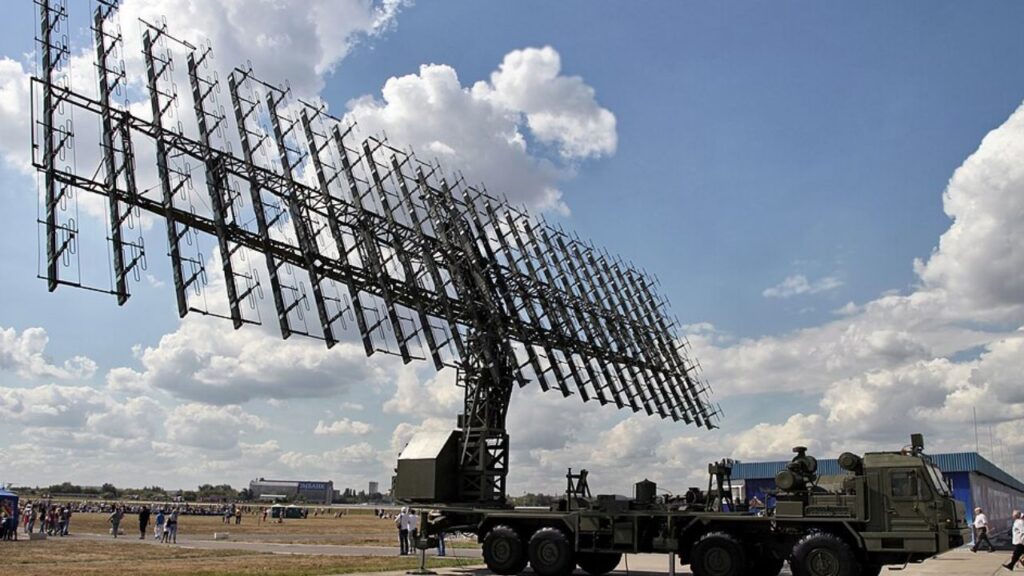
Radar’s wartime importance came less from any single set’s performance than from how it was integrated into an air-defense structure. The U.K.’s RAF Fighter Command benefited when radar warning fed a command-and-control process that could direct interceptors efficiently. Early warning is only useful if it becomes action: fewer wasted patrols, fewer surprise raids, and better odds of getting fighters to the right place in time.
Just as important, radar turned air operations into a contest of detection and deception. Once both sides recognized its value, countermeasures and adaptation became part of the fight rather than an afterthought.
2) Proximity (VT) fuzes: making each round count
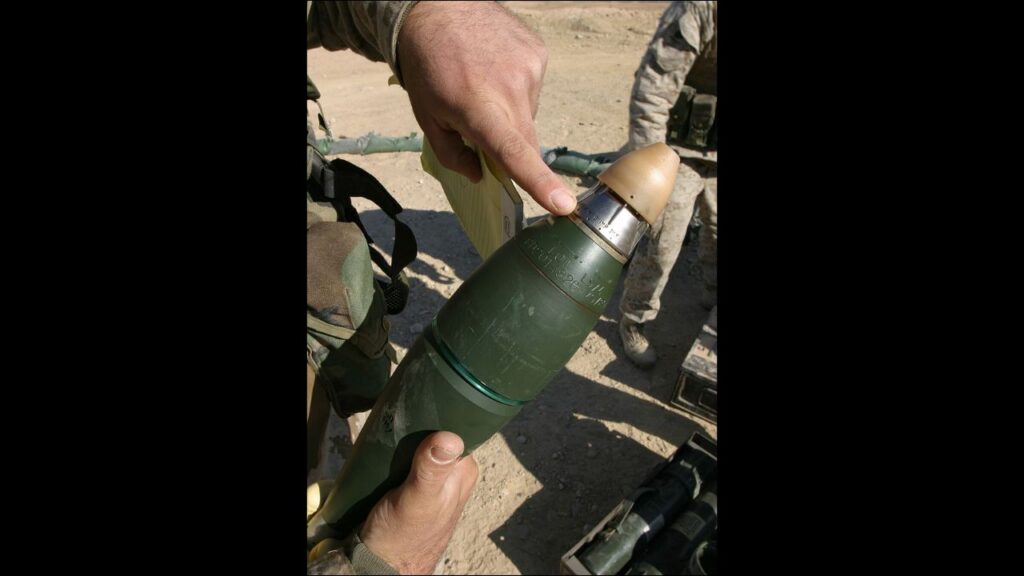
The proximity (VT) fuze mattered because it improved results per shot. Instead of relying only on timing and estimation, a proximity fuze increased the chance an anti-aircraft shell detonated close enough to damage an aircraft. Small improvements in probability compound quickly in combat: fewer rounds required for the same effect and less strain on ammunition supply.
Its broader lesson is organizational. Research and development structures—often associated in public memory with U.S. wartime programs such as the NDRC—only change the battlefield when a technology can be manufactured reliably, issued widely, and matched to fire-control practices and training.
3) The Higgins landing craft (LCVP): amphibious lift as operational reality

Amphibious warfare depends on a basic question: how many troops and how much matériel can be put ashore, how quickly, and under what conditions. The Higgins landing craft (LCVP) fits the category of “enabler that sets the ceiling.” Less glamorous than capital ships and less discussed than assault infantry, landing craft made large operations practical by turning shore access into something repeatable.
In that sense, landing craft were a maneuver-and-logistics technology. Once available in standardized form, they supported not only initial landings but the steady resupply that keeps an operation from stalling on the beach.
4) Liberty ships and standardized shipbuilding: throughput as combat power
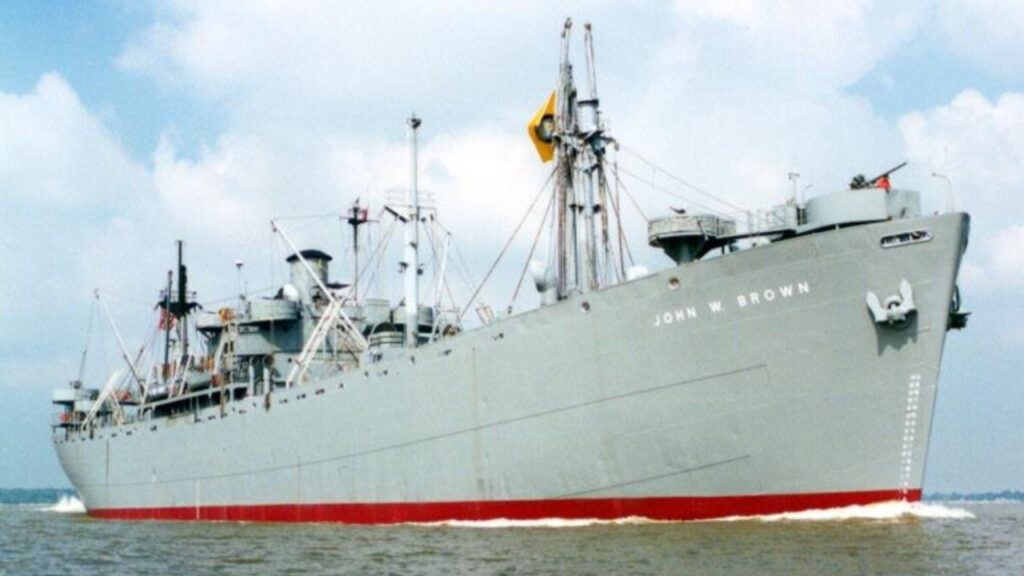
Liberty ships captured a wartime logic that is easy to underrate: standardization and rapid construction can be decisive when a fight is about distance and attrition. The goal was not elegance. It was predictable production, repair, and replacement in a world where losses were expected.
Standard hulls and repeatable parts reduced training time in shipyards and simplified maintenance. That helped turn a shipping crisis into a problem that industry could solve with volume and consistency rather than with perfect designs built too slowly.
5) Escort carriers and the ASW toolkit: turning convoys into defended systems
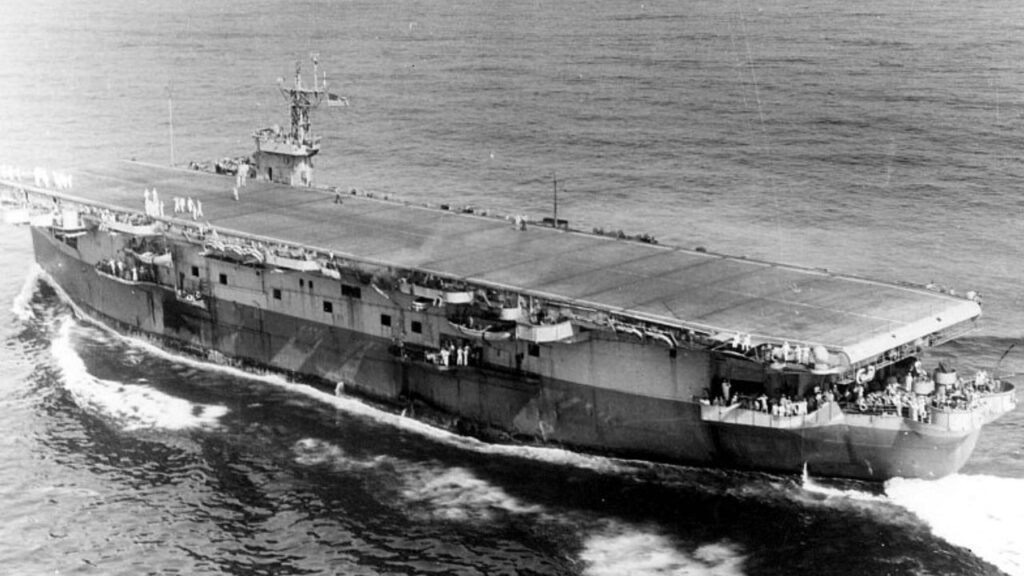
The Battle of the Atlantic was shaped by anti-submarine warfare as a layered system. Escort carriers mattered not merely as smaller carriers, but as a way to bring air cover closer to convoys, reducing the space in which submarines could operate freely. When paired with an ASW toolkit—sensors such as sonar and weapons such as depth charges and Hedgehog-style forward-throwing mortars—convoys became harder to shadow and riskier to attack.
The payoff was cumulative rather than dramatic: fewer ships lost, more cargo delivered, and a steadier transatlantic lifeline. It was also a training story. ASW effectiveness depended on crews learning repeatable tactics and integrating sensors, escorts, and aircraft into one coherent approach.
6) Codebreaking and SIGINT-enabling technology: selective clarity at the right time
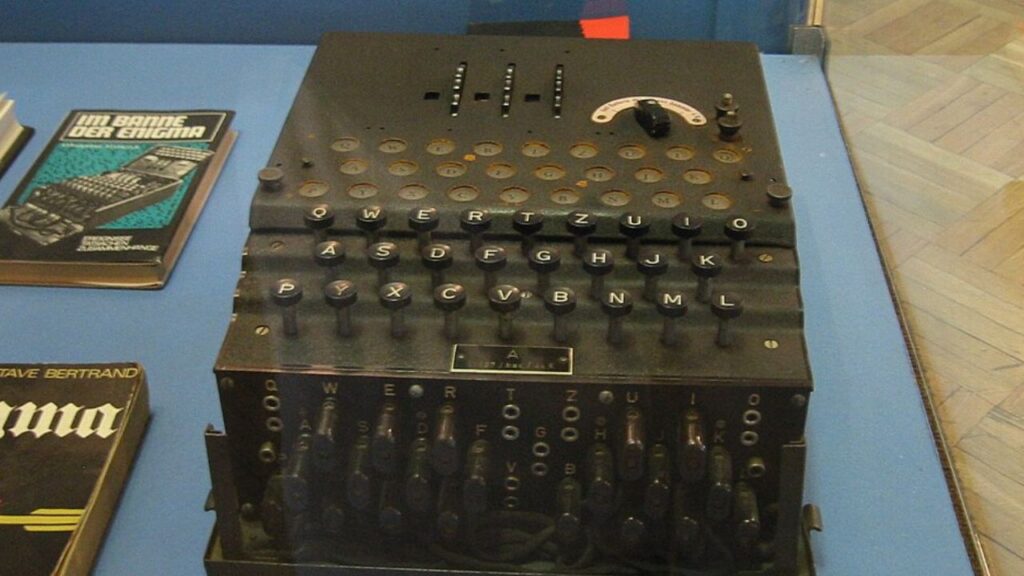
Intelligence is easy to mythologize, but its practical value was often straightforward: reducing uncertainty often enough to matter. Codebreaking and SIGINT-enabling technologies could provide selective clarity—sometimes sufficient to reposition forces, reroute convoys, or anticipate an operational move. That is a force multiplier even though it does not arrive as a new platform on a factory line.
These capabilities also influenced behavior. As interception and analysis improved, militaries were pushed toward better communications discipline and countermeasures, affecting tempo, coordination, and what could safely be transmitted at all.
7) Mines and mine countermeasures: shaping sea control without a fleet battle
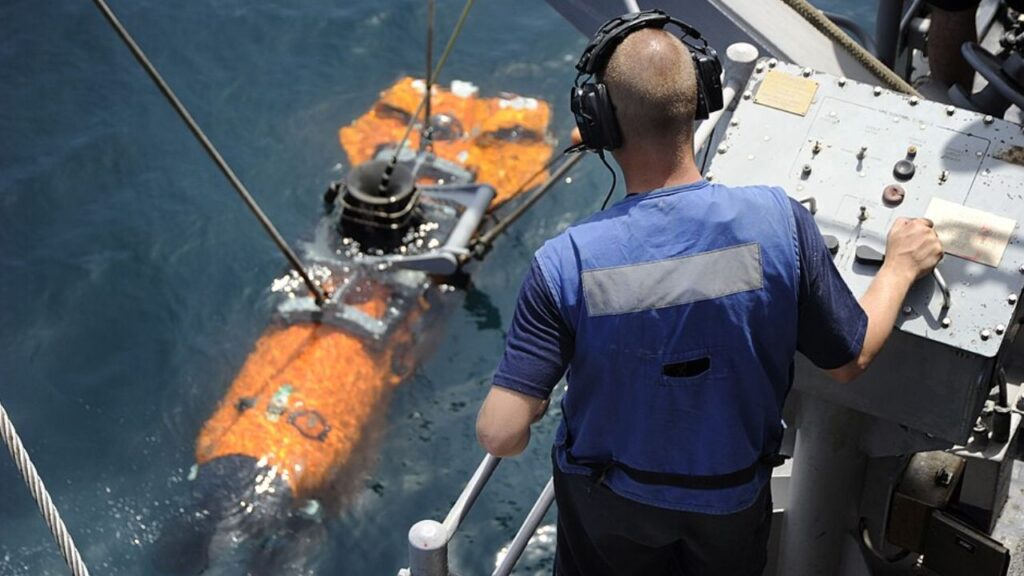
Mine warfare rarely gets top billing, yet it can dominate planning because it changes where ships can safely go. Mines could deny ports, channels, and approaches at relatively low marginal cost compared to major surface actions. The effect is “quiet” but persistent: a minefield can constrain movement long after it is laid, even if no dramatic engagement follows.
Mine countermeasures are the other half of the equation. Sweeping and clearance require specialized equipment, trained crews, and time. That means a mine threat can delay operations and tie up assets even when headlines are focused elsewhere.
8) Long-range fighters and auxiliary fuel tanks: extending escort and patrol options
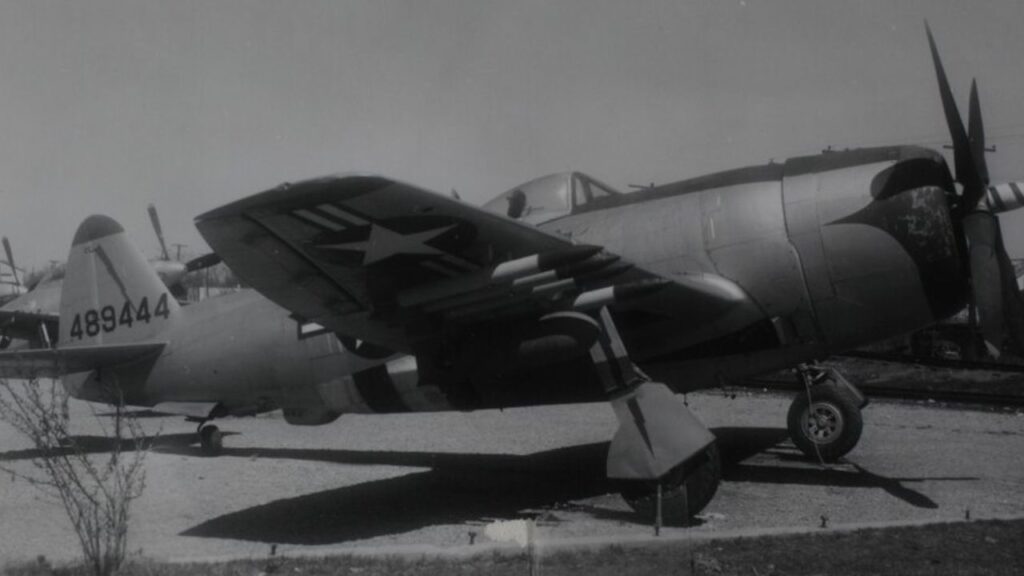
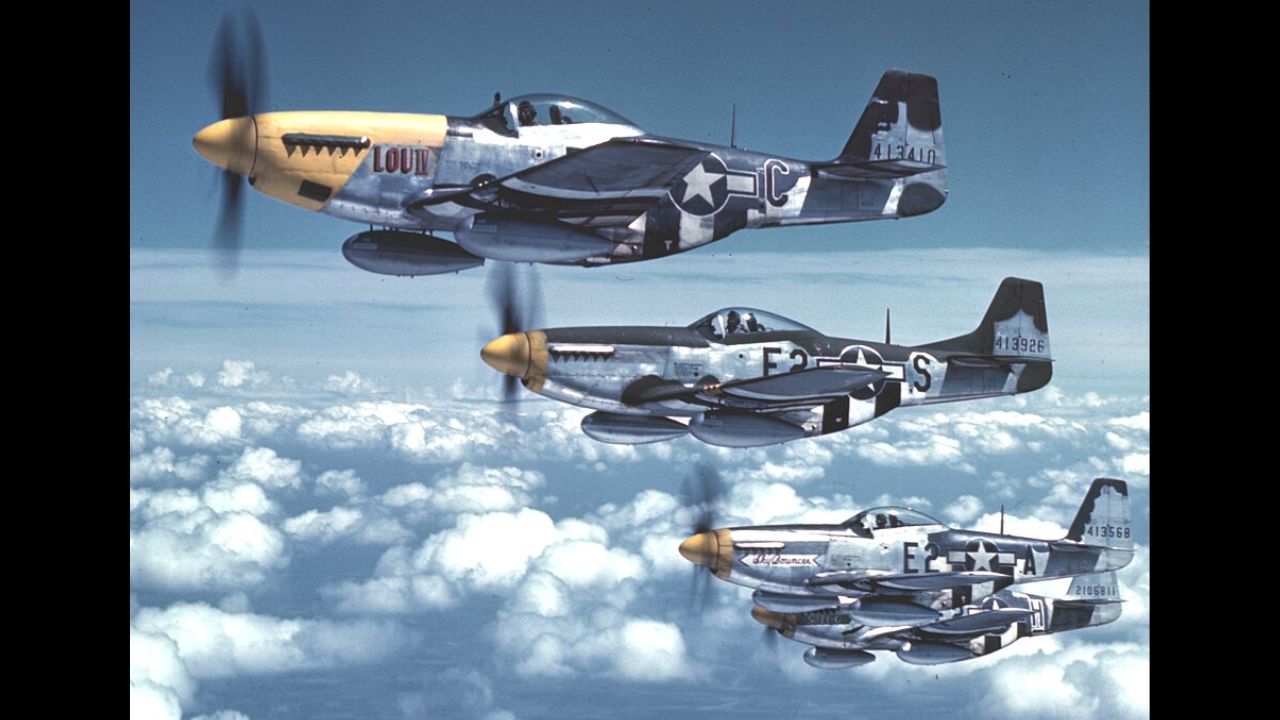
Range looks like a specification until it changes what commanders can ask aircraft to do. Long-range fighters—especially when paired with auxiliary fuel tanks—expanded escort possibilities, pushed patrol coverage outward, and made air plans more reliable over distance. The effect was not simply “farther,” but “more predictable”: better odds of escort where it was needed and fewer operations constrained by geography alone.
Auxiliary tanks also show how small additions can have large operational consequences. They extended sortie profiles without requiring new bases, while introducing tradeoffs in performance that air forces had to account for in tactics and planning.
9) Infantry anti-tank weapons: portable answers to armor
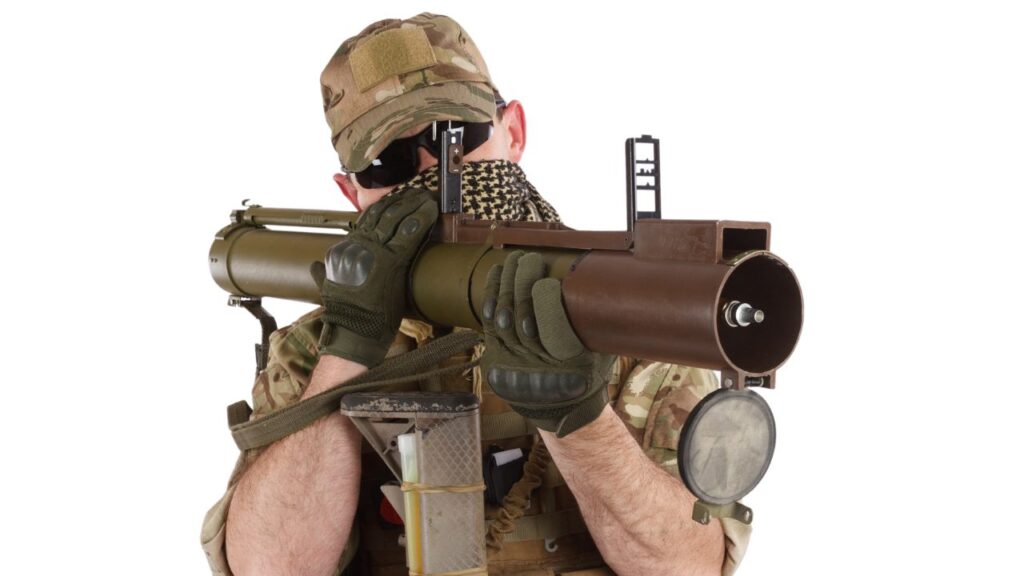
Portable anti-tank weapons redistributed who could threaten armored vehicles and in what terrain. Systems such as the U.S. bazooka and German Panzerfaust-style weapons did not make tanks obsolete, but they made close terrain and urban fighting more dangerous for armor operating without infantry support. That pressure helped shape combined-arms habits: more coordination, more caution in confined spaces, and more emphasis on reconnaissance and suppression.
They also carried an industrial advantage. Compared with heavy anti-tank guns, infantry anti-tank weapons could be produced and issued more broadly, affecting how quickly armies could spread anti-armor capability through large formations—even if effectiveness varied with conditions and training.
10) Mass-produced submachine guns: practical firepower under wartime constraints
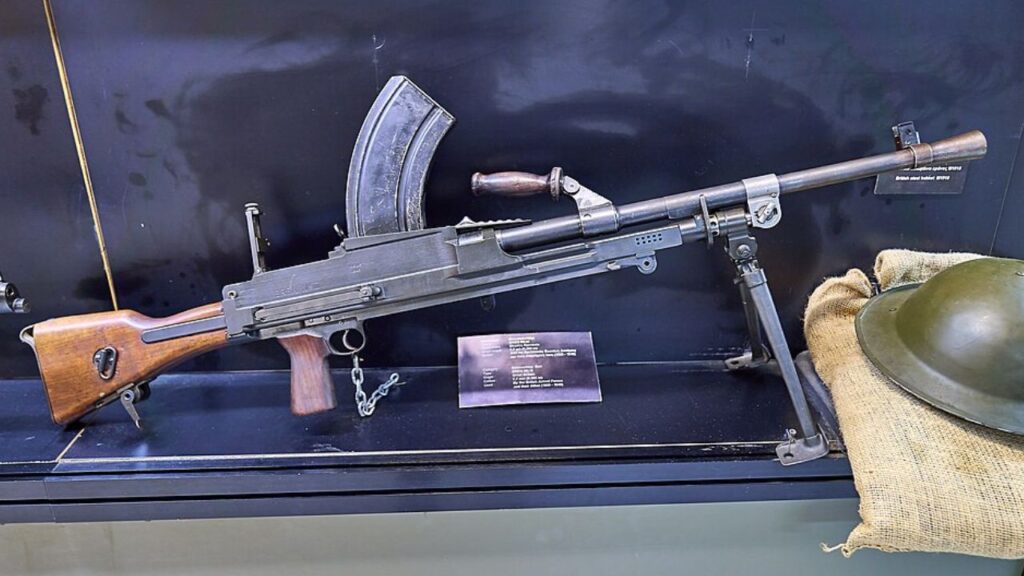
Submachine guns can be dismissed as “just more bullets,” but their quiet impact was how they traded complexity for close-range volume of fire. Mass production mattered: simpler designs could be built quickly and in large numbers, putting usable firepower into the hands of troops who might not have time for extensive marksmanship training. In assaults, raids, and urban fighting, that could translate into decisive local advantage.
This is the factory-and-doctrine interaction in plain form. A weapon that is good enough and widely available can outperform a better design that arrives late, appears in small numbers, or depends on a training pipeline that cannot keep pace with wartime turnover.
Why these ten matter: integration beats “wonder weapons”
No single item on this list “won” WWII. Their shared importance is that they shifted the balance of attrition and maneuver by making forces easier to find, harder to surprise, faster to move, and simpler to replace. They also highlight the difference between invention and impact: radar required command-and-control, ASW required tactics and training, ships required production discipline, and mass-issue weapons required manufacturing that matched wartime reality.
The enduring lesson is a mindset. WWII’s quiet game-changers rewarded militaries that treated technology as part of an operational system and invested in the dull but decisive work of sustainment, stockpiles, standardization, and feedback between the field and designers. In a war measured in tonnage delivered, sorties generated, and losses replaced, “unsexy” often mattered most.