
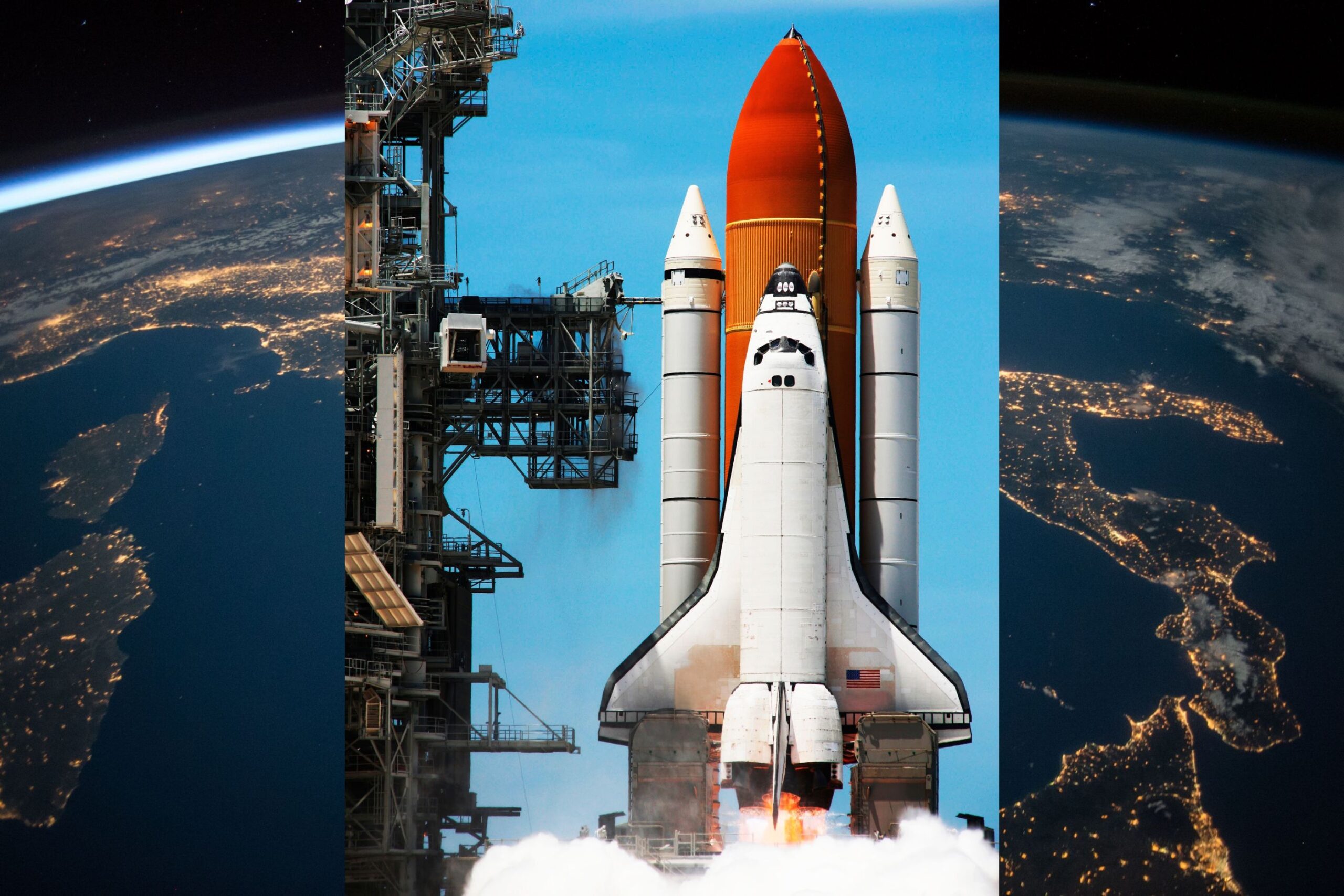
Space exploration has always been a frontier of human ingenuity and ambition. Over the decades, rockets have been the backbone of our journey beyond Earth, each one pushing the boundaries further and setting new milestones. Here, I delve into ten rockets that have profoundly shaped the future of space travel, forever altering our understanding and capabilities in space exploration.
V-2 Rocket

The V-2 Rocket, developed in the 1940s by Nazi Germany, was the world’s first long-range guided ballistic missile. While its initial use was destructive, the V-2’s technology laid the groundwork for post-war rocketry. After World War II, both the United States and the Soviet Union captured V-2 rockets and incorporated its technology into their own missile and space programs, making it a cornerstone in the history of space exploration.
Despite its origins, the V-2’s impact on space travel is undeniable. The rocket’s pioneering design and propulsion systems influenced many future rockets, setting a precedent for high-altitude and long-range capabilities that became essential for launching payloads into space.
Sputnik 1 Launch Vehicle
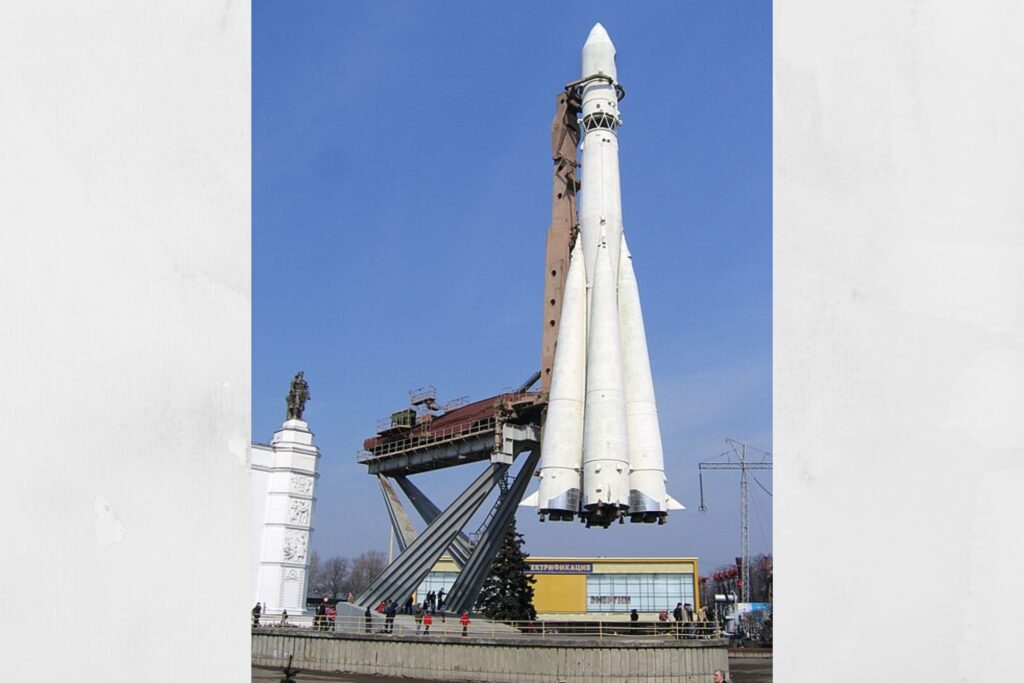
The launch of Sputnik 1 on October 4, 1957, marked the beginning of the space age. The satellite was propelled by the R-7 rocket, which was originally developed as an intercontinental ballistic missile. The successful launch and orbit of Sputnik 1 not only demonstrated the Soviet Union’s technological prowess but also sparked the space race between the United States and the Soviet Union.
The R-7 rocket proved its versatility and reliability, evolving into a family of launch vehicles that would be used for decades. Its legacy includes launching the first human into space and numerous other significant missions, cementing its place in space history.
Saturn V

The Saturn V rocket remains one of the most iconic symbols of human space exploration. Developed by NASA for the Apollo program, it was the launch vehicle that enabled humans to land on the Moon. Standing at 363 feet tall, the Saturn V was the most powerful rocket ever successfully flown, with a perfect record of 13 launches between 1967 and 1973.
The rocket’s ability to carry heavy payloads into deep space was unmatched, and its design principles continue to influence modern rocket engineering. The Saturn V not only fulfilled President Kennedy’s dream of landing a man on the Moon but also set a benchmark for future heavy-lift rockets.
Space Shuttle

The Space Shuttle was a revolutionary spacecraft that introduced the concept of reusable space vehicles. First launched in 1981, the shuttle fleet carried astronauts and cargo into low Earth orbit for 30 years. Its unique design, which combined characteristics of a rocket and an airplane, allowed it to land back on Earth like a glider.
The shuttle program facilitated the construction of the International Space Station, the deployment of the Hubble Space Telescope, and numerous scientific experiments. Despite its challenges and risks, the Space Shuttle expanded our capabilities in space operations and inspired a new generation of reusable spacecraft.
Ariane 5

The Ariane 5 rocket, developed by the European Space Agency, has been instrumental in establishing Europe as a key player in the commercial launch market. First launched in 1996, the Ariane 5 has been used for a variety of missions, including launching satellites for telecommunications, Earth observation, and scientific research.
Renowned for its reliability and adaptability, the Ariane 5 has played a crucial role in delivering payloads to geostationary transfer orbits. Its success has paved the way for the development of its successor, the Ariane 6, which aims to further reduce launch costs and enhance Europe’s competitiveness in space.
Falcon 1

Falcon 1 was the first privately developed liquid-fueled rocket to reach orbit, marking a significant milestone for commercial spaceflight. Developed by SpaceX, Falcon 1 had its maiden flight in 2006, and after several attempts, successfully reached orbit in 2008. This achievement demonstrated the feasibility of private companies developing and launching rockets.
The success of Falcon 1 laid the foundation for SpaceX’s future endeavors, including the development of more advanced rockets like Falcon 9 and Falcon Heavy. It was a crucial step towards reducing the cost of access to space and opening the door for future private space initiatives.
Falcon 9

The Falcon 9 rocket, developed by SpaceX, has redefined the economics of space travel with its innovative approach to reusability. First launched in 2010, Falcon 9 is capable of launching payloads to various orbits and has become a workhorse for commercial satellite deployment, space station resupply missions, and more.
Its groundbreaking technology allows the first stage of the rocket to be reused for multiple flights, significantly reducing launch costs. The success of Falcon 9 has made SpaceX a leader in the aerospace industry and has set new standards for cost-effective space travel.
New Shepard

New Shepard, developed by Blue Origin, is a suborbital rocket designed for space tourism and research. First launched in 2015, New Shepard’s reusable design allows it to carry passengers and scientific payloads to the edge of space, offering a few minutes of weightlessness before returning to Earth.
The rocket’s vertical takeoff and landing capabilities are a testament to advances in reusable rocket technology. New Shepard is paving the way for commercial space tourism, aiming to make space more accessible to the public and contributing to the broader goals of space exploration.
Space Launch System (SLS)

The Space Launch System (SLS) is NASA’s latest heavy-lift rocket, designed to take astronauts beyond low Earth orbit and eventually to Mars. The SLS is a crucial component of NASA’s Artemis program, which aims to return humans to the Moon and establish a sustainable presence there.
With its immense power and payload capacity, the SLS is intended to carry astronauts, scientific equipment, and large cargo loads into deep space. Its development marks a new era in human space exploration, with the potential to unlock new frontiers and expand our presence in the solar system.
Starship
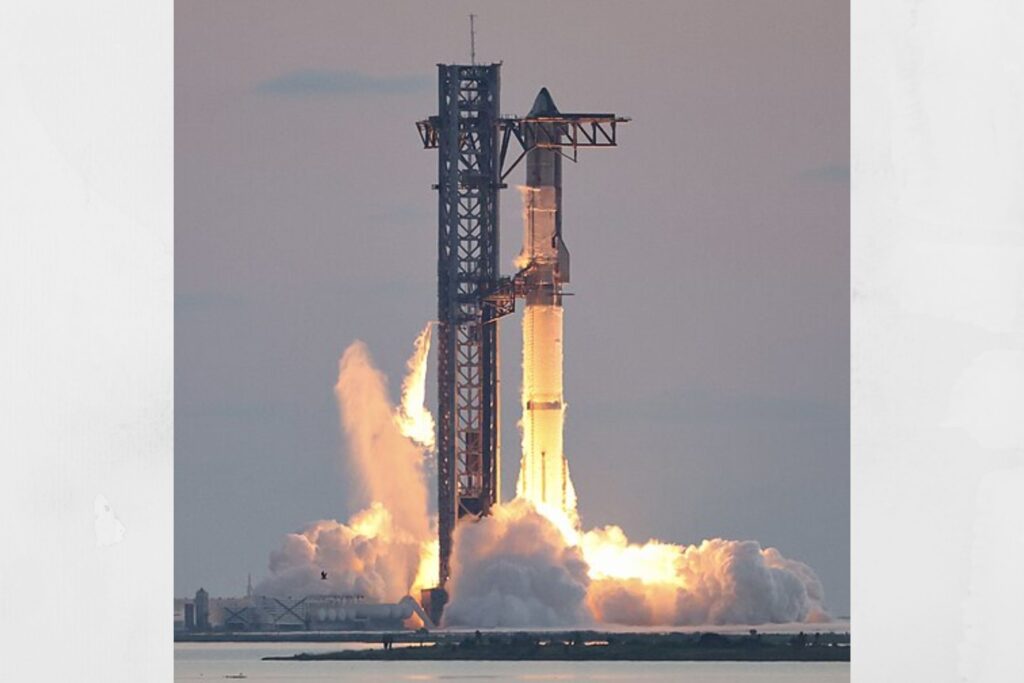
Starship, developed by SpaceX, represents the future of interplanetary travel with its ambitious design and capabilities. Designed to be fully reusable, Starship aims to carry humans and cargo to the Moon, Mars, and beyond. Its large payload capacity and advanced technology make it a game-changer in space exploration.
Starship’s development is part of SpaceX’s long-term vision to make space travel more affordable and accessible. With its potential to revolutionize how we think about space missions, Starship is at the forefront of the next generation of rockets, poised to take humanity to new worlds.