

Modern naval warfare has evolved significantly, with technological advancements and innovative strategies reshaping how conflicts are conducted at sea. Large fleets, once considered the epitome of naval supremacy, now face vulnerabilities due to emerging tactics and technologies. From cyber warfare to stealth submarines, understanding these modern tactics is crucial for maintaining naval dominance.
Distributed Lethality
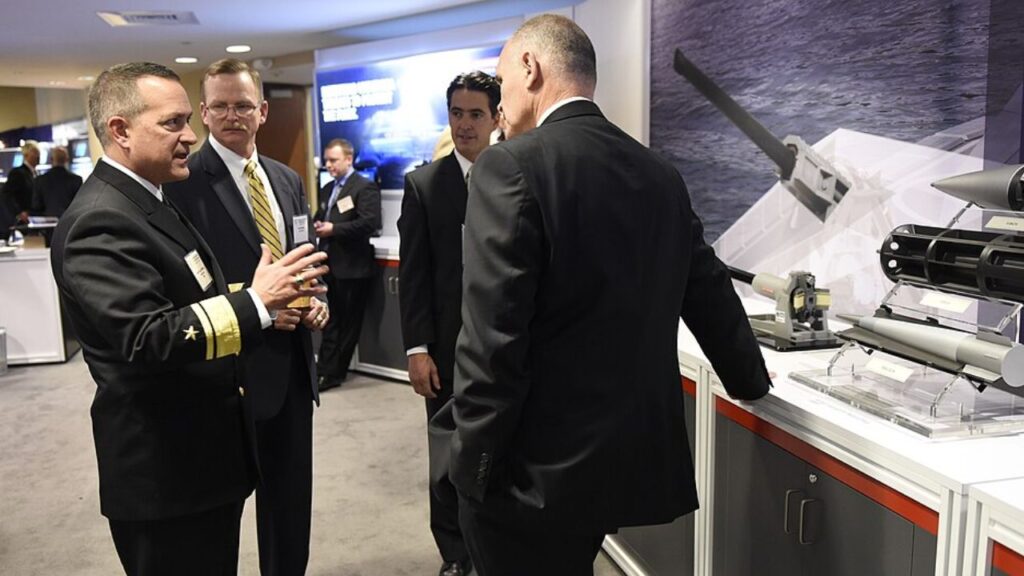
The concept of distributed lethality emphasizes spreading offensive capabilities across multiple ships rather than concentrating them within a few large vessels. This tactic enhances flexibility and resilience, making it harder for adversaries to target critical assets. However, it also presents challenges for large fleets that traditionally rely on centralized power.
For instance, the U.S. Navy has been implementing distributed lethality to enhance its surface fleet’s offensive capabilities. This approach involves arming smaller vessels with advanced weaponry to increase their combat effectiveness, thus complicating enemy targeting strategies.
Cyber Warfare Intrusions

With the increasing reliance on digital systems, cyber warfare has become a potent threat to naval operations. Cyber intrusions can disrupt communications, navigation, and weapon systems, rendering large fleets vulnerable to attacks. The potential for cyber sabotage makes it imperative for navies to bolster their cybersecurity measures.
In 2017, the “NotPetya” malware attack demonstrated the devastating impact of cyber warfare, affecting global shipping operations. Such incidents highlight the need for robust cyber defenses to protect naval assets from similar threats.
Drone Swarming Tactics
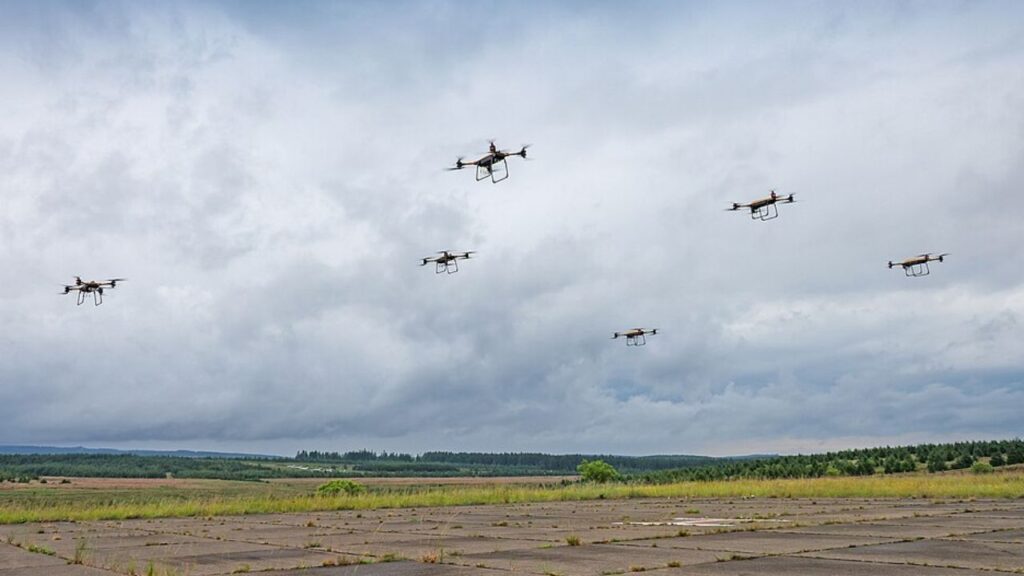
Drone swarms present a formidable challenge to large naval fleets by overwhelming their defenses with a multitude of targets. These swarms can conduct reconnaissance, launch attacks, or create diversions, making it difficult for traditional naval defenses to respond effectively.
Countries like China and the United States are actively developing drone swarm technologies. These advancements underscore the need for navies to adapt their strategies to counteract the growing threat posed by autonomous and semi-autonomous systems.
Anti-Access/Area Denial (A2/AD)
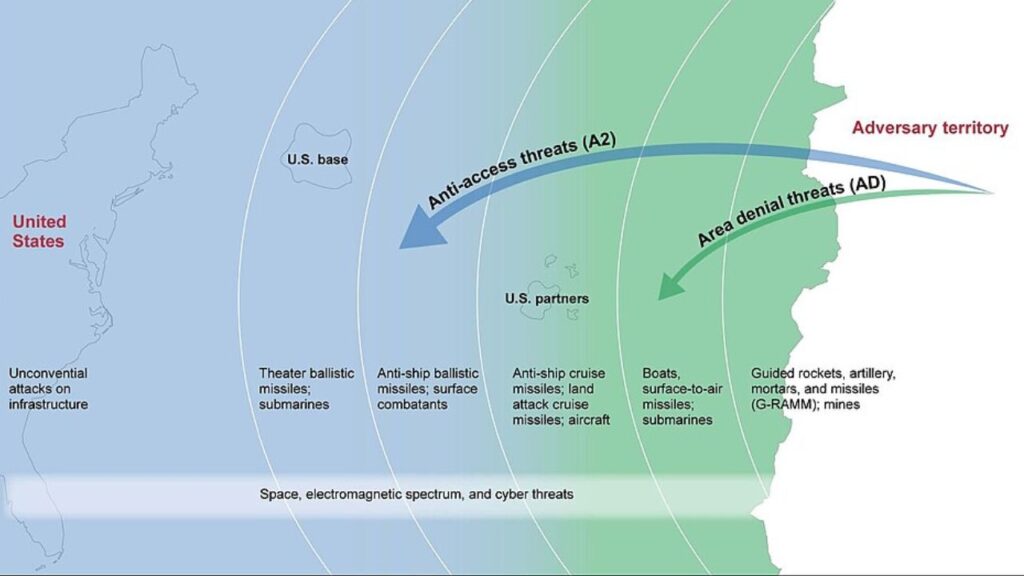
The A2/AD strategy aims to prevent adversaries from entering and operating within a specific area. This tactic relies on a combination of missile systems, submarines, and other technologies to create a formidable defense perimeter. Large fleets must navigate these A2/AD zones carefully to avoid significant losses.
In the South China Sea, China’s deployment of anti-ship missiles and other A2/AD capabilities illustrates the effectiveness of this approach in deterring foreign naval presence. It highlights the growing importance of counter-A2/AD strategies for maintaining freedom of navigation.
Littoral Combat Challenges

Operating in littoral, or nearshore, environments presents unique challenges for large fleets. These areas often feature complex geography, shallow waters, and civilian traffic, complicating traditional naval operations. Littoral combat ships (LCS) are designed to address these challenges, but larger vessels may struggle with maneuverability.
The USS Freedom and USS Independence, part of the U.S. Navy’s LCS program, are examples of vessels optimized for littoral operations. However, their limited size and range compared to larger ships underscore the difficulties that conventional fleets face in these environments.
Stealth and Submarine Advancements
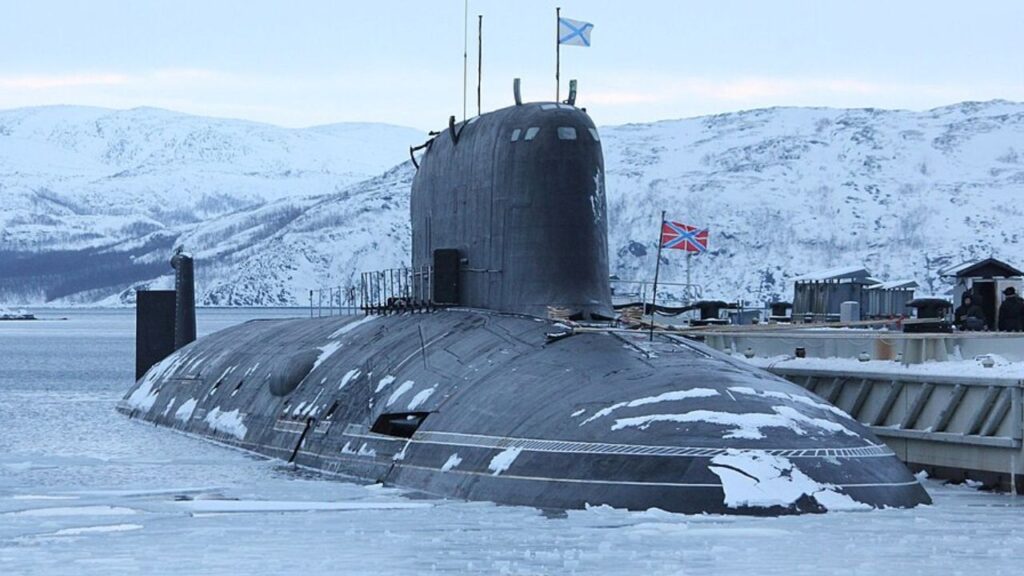
Stealth technology and advanced submarines pose significant threats to large naval fleets. Modern submarines, equipped with quiet propulsion systems and advanced sensors, can operate undetected, allowing them to strike high-value targets with precision.
Russia’s Yasen-class submarines and the U.S. Navy’s Virginia-class exemplify the cutting-edge capabilities of modern submarines. Their ability to evade detection and deliver powerful attacks necessitates the development of enhanced anti-submarine warfare tactics.
Network-Centric Warfare Vulnerabilities
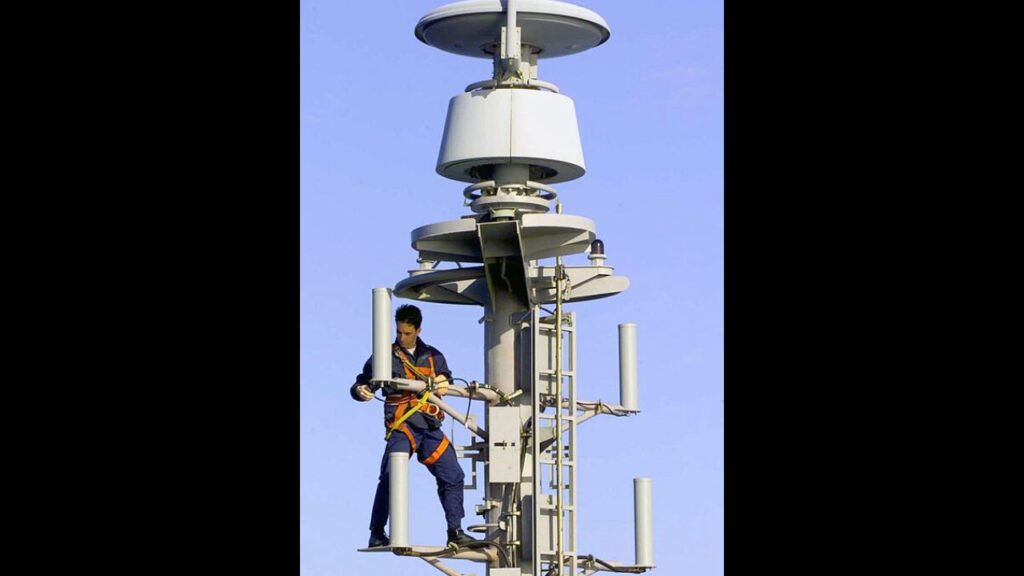
Network-centric warfare relies on interconnected systems to enhance situational awareness and decision-making. However, this reliance creates vulnerabilities, as disrupting communication networks can degrade a fleet’s operational effectiveness.
The U.S. Navy’s Cooperative Engagement Capability (CEC) exemplifies the integration of networked sensors and weapons. While offering significant advantages, it also underscores the need for robust cybersecurity measures to protect against potential network disruptions.
Precision-Guided Munitions
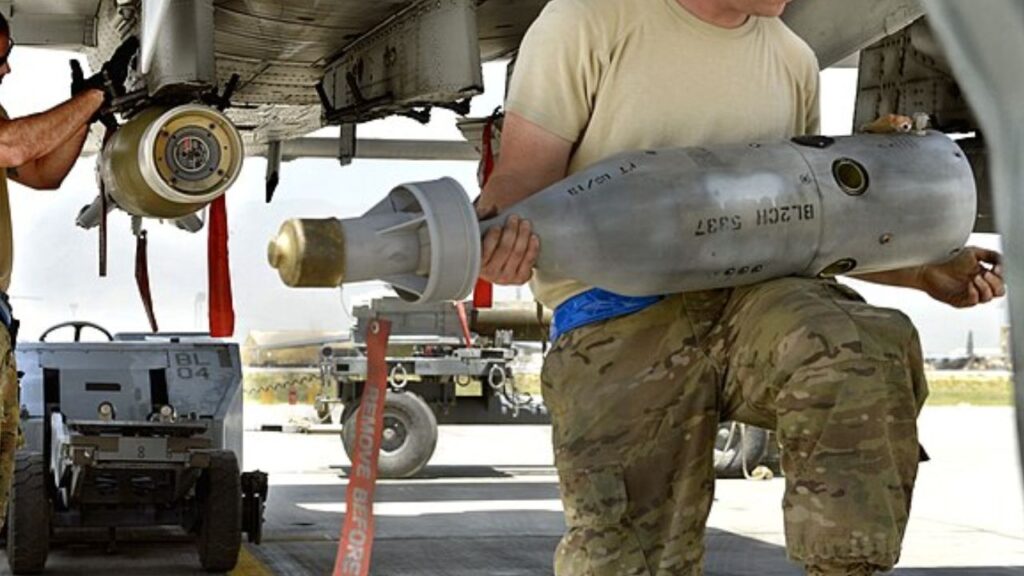
Precision-guided munitions (PGMs) have revolutionized naval warfare by allowing for accurate targeting of enemy assets. This capability enables smaller forces to inflict significant damage on larger fleets, leveling the playing field in naval engagements.
The widespread use of PGMs in conflicts such as the Gulf War demonstrated their effectiveness in targeting specific military assets. Navies must adapt to this reality by enhancing their defensive measures and developing counter-PGM strategies.
Electronic Warfare and Jamming
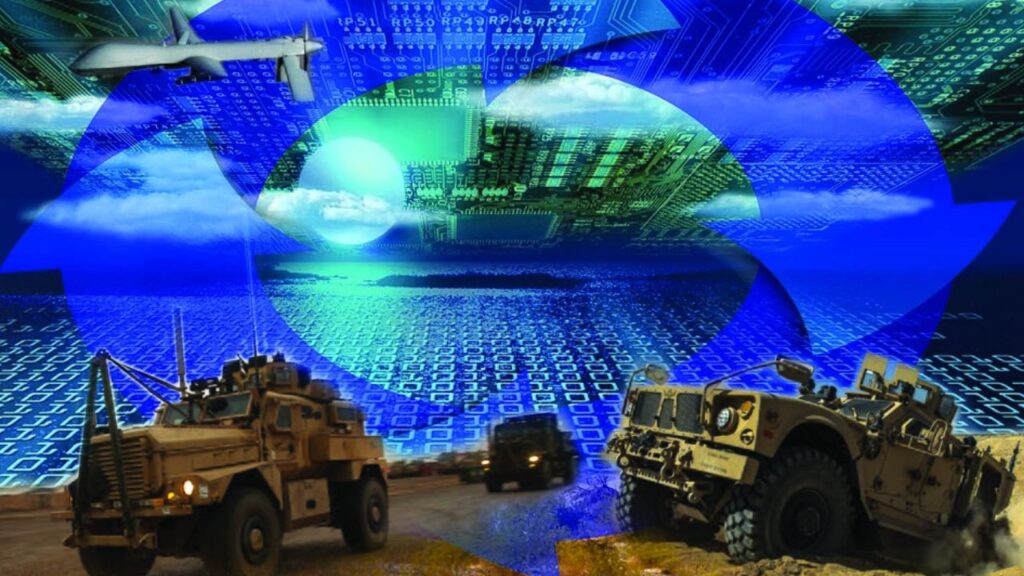
Electronic warfare (EW) tactics, including jamming and spoofing, can disrupt radar, communications, and navigation systems. These tactics can neutralize the technological advantages of large fleets, rendering them vulnerable to attack or deception.
Russia’s use of EW in conflicts like the Syrian Civil War highlights the potential impact of these tactics on modern warfare. As navies continue to rely on advanced electronics, enhancing EW capabilities becomes crucial to maintaining operational effectiveness.
Asymmetric Threats and Guerrilla Naval Tactics
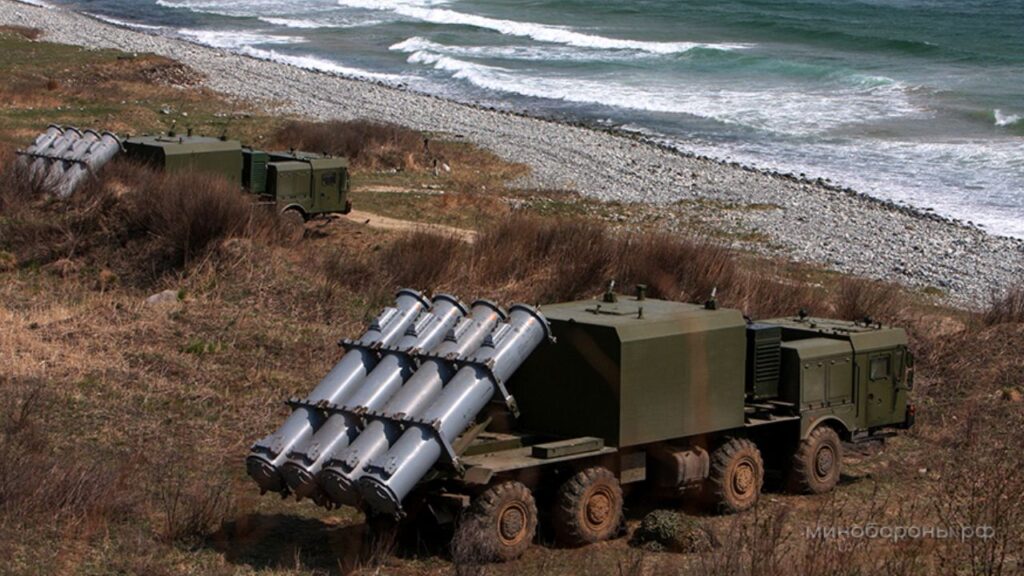
Asymmetric threats, such as guerrilla naval tactics, pose significant challenges to traditional naval forces. These tactics leverage unconventional methods, such as small, fast attack boats or coastal missile systems, to exploit the vulnerabilities of larger ships.
The Iranian Revolutionary Guard’s use of fast attack craft in the Persian Gulf illustrates the effectiveness of asymmetric tactics. Large fleets must develop flexible strategies to counter these unpredictable and agile threats.