
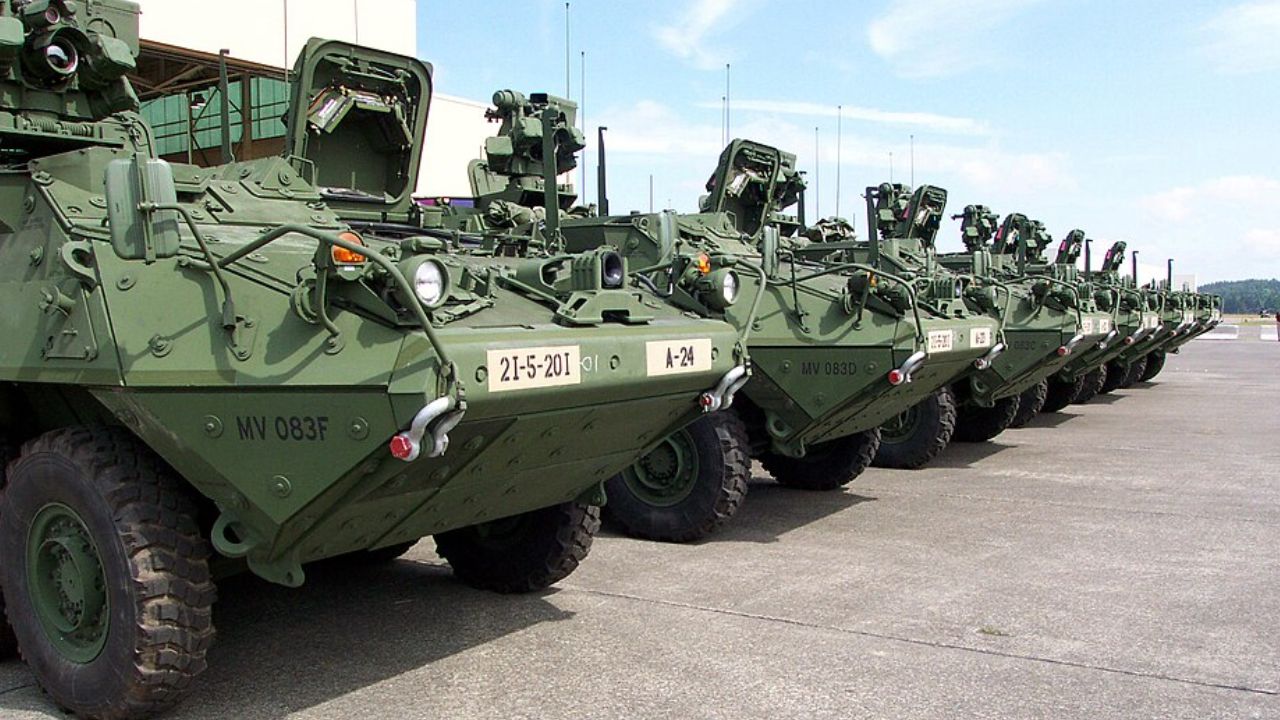
In high-end war games and real deployments alike, the fragile point is often less the engine than the fuel system that feeds it. Modern militaries can move enormous volumes of JP‑8, diesel, and gasoline when supply lines are secure, but dispersed operations, partner-nation sourcing, and austere basing bring familiar problems: inconsistent refining, degraded storage, water intrusion, sediment, and occasional misfueling. The engineering response is rarely a single trick. It’s a mix of design margin, maintainable fuel hardware, and aggressive filtration and water separation—so the powerplant can keep operating when the fuel isn’t pristine.
This isn’t a claim that any engine can run indefinitely on “anything.” Tolerance is not immunity. Poor-quality fuel can still cause power loss, increased smoke/soot, clogged filters, injector wear, corrosion, and shorter service intervals—especially on newer systems optimized for efficiency and emissions. But across ground, sea, and air, some military engine families are built with battlefield fueling realities in mind, and that mindset is becoming strategically important again as planners assume contested logistics and more dispersed operations.
Why bad-fuel tolerance is back on the checklist
Fuel flexibility translates directly into operational flexibility: if you can refuel from more places, you can operate from more places. That matters for expeditionary doctrine, special operations, and humanitarian response, where fuel quality and storage conditions can be uneven. It also matters when an adversary targets depots, pipelines, and transport—pushing units toward smaller, riskier, and sometimes improvised resupply points.
There’s a practical trade space, too. Building systems that cope with dirt and water can reduce fuel-related downtime, but it can also shift the burden to filters, inspections, and parts consumption. Robustness and logistics resilience often come at the cost of added maintenance work and tighter fuel-handling discipline.
10 military engines designed to keep running on poor-quality fuel
1) General Dynamics Land Systems AVDS family (legacy U.S. armored-vehicle diesels)
Older armored-vehicle diesel lineages are often discussed as “forgiving” because they were built around field serviceability and conservative operating margins. In that framing, the AVDS family is frequently cited as an example of a military diesel designed to keep working under less-than-ideal conditions. In practice, the ability to survive dirty fuel depends heavily on the surrounding fuel system—filters, separators, and maintenance discipline—not just the core engine.

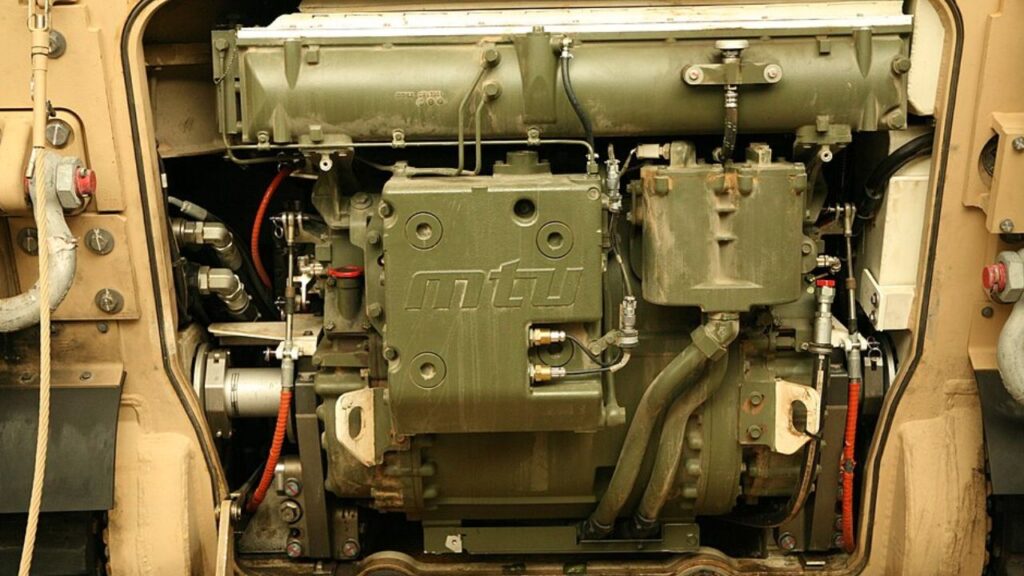
2) MTU military diesel families (NATO ground vehicles and naval propulsion)
MTU is commonly associated with European military diesels used in heavy vehicles and some naval applications, where reliability across harsh, variable conditions is a priority. The “bad fuel” advantage, when it exists, tends to come from robust fuel-handling arrangements and conservative margins meant to reduce sensitivity to real-world variability. It is still not a substitute for basic fuel hygiene and routine filter service.
3) Cummins military diesel variants (tactical trucks and support fleets)
Support fleets operate at the mercy of what’s available and what’s been stored correctly, especially when units disperse. Cummins is a recurring name in military truck-engine discussions, and the resilience theme is usually about maintainable fuel systems and filtration that can help vehicles keep moving when fuel quality slips. The cost of that resilience is often more frequent monitoring and filter changes when contamination shows up.

4) Caterpillar diesel families (industrial-derived power in military service)
Military forces often rely on industrial diesel DNA for engineering equipment and some support platforms, and Caterpillar is widely associated with that ecosystem. Industrial engines are typically designed for harsh environments and uneven maintenance conditions, which can translate into practical tolerance for variable fuel quality in expeditionary and disaster-response settings. That said, “tough” still means you may be changing filters sooner and inspecting fuel hardware more often.

5) Rolls‑Royce naval gas turbines (surface-ship propulsion)
Naval ships can fuel in major ports or through more constrained logistics arrangements during surges, and the fuel they receive is only as good as the handling chain that delivered it. Rolls‑Royce is often mentioned in the context of naval gas turbines, where operators value reliability under demanding operational tempos. For turbines, the “keep running” story is tied less to tolerating sludge and more to shipboard fuel treatment and disciplined operating practices that protect sensitive hot-section hardware.

6) GE military turbine families (air and some maritime applications)
GE turbine engines appear across military aviation and, in some contexts, maritime power. In the field, turbine resilience is usually about staying within controlled limits—using filtration, inspection, and conservative procedures when supply is uncertain—rather than accepting severely contaminated fuel. The operational payoff is the ability to sustain sortie generation or patrol cycles when resupply quality is under stress.

7) Pratt & Whitney jet and turboshaft families (aviation readiness under imperfect resupply)
Pratt & Whitney is central to U.S. and allied military aviation, where fuel standards are intentionally strict. In this category, “bad fuel tolerance” is best understood as controlled resilience: systems and procedures intended to prevent small quality problems from becoming immediate mission killers. It does not imply that aviation engines can be fueled indiscriminately without risk or consequences.
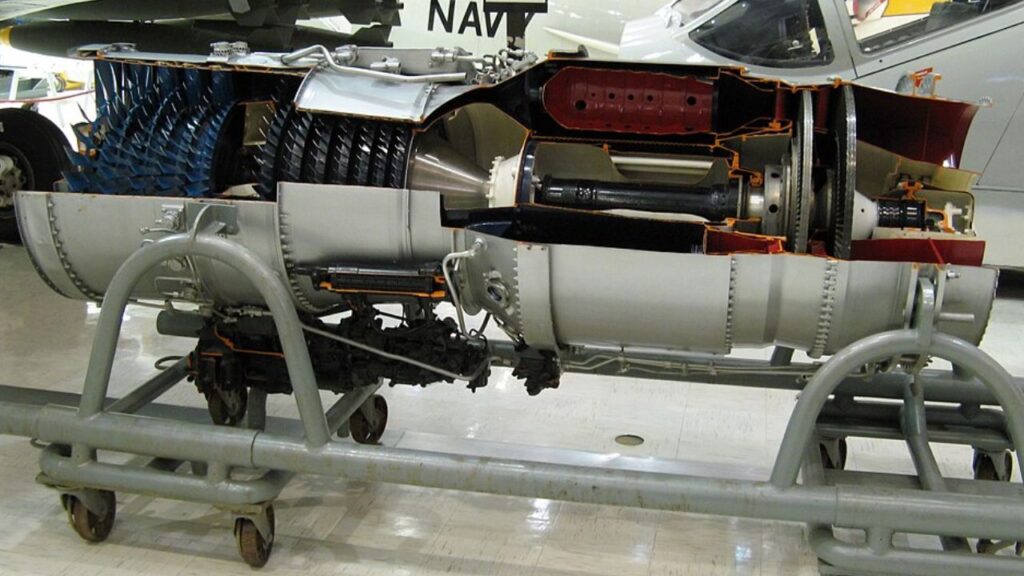
8) Safran/RTM turboshaft and turboprop engines (expeditionary rotorcraft operations)
Helicopters often operate from forward sites with minimal infrastructure, where storage and handling conditions can be harder to control. Safran and RTM are frequently referenced in the military rotorcraft engine landscape, where maintainability and reliability are essential. Here, the practical toolkit is robust filtration, conservative margins, and field-friendly maintenance approaches that help crews manage imperfect fueling environments.
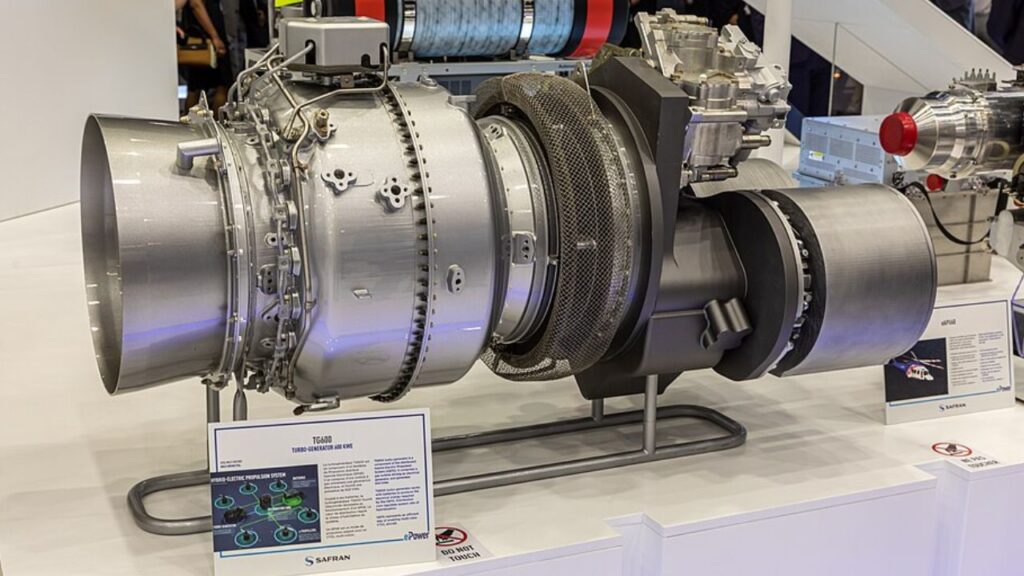
9) Klimov engine lines (Russian/Soviet rotorcraft tradition)
Russian/Soviet design traditions are often described as prioritizing rugged operation and tolerance of rougher basing and support conditions. Klimov is commonly associated with that rotorcraft ecosystem, where the emphasis is on staying operable under stress and enabling recovery at the field level. Any fuel-quality resilience should be understood in that broader context: keep operating, accept performance and maintenance penalties, and rely on procedures to manage risk.
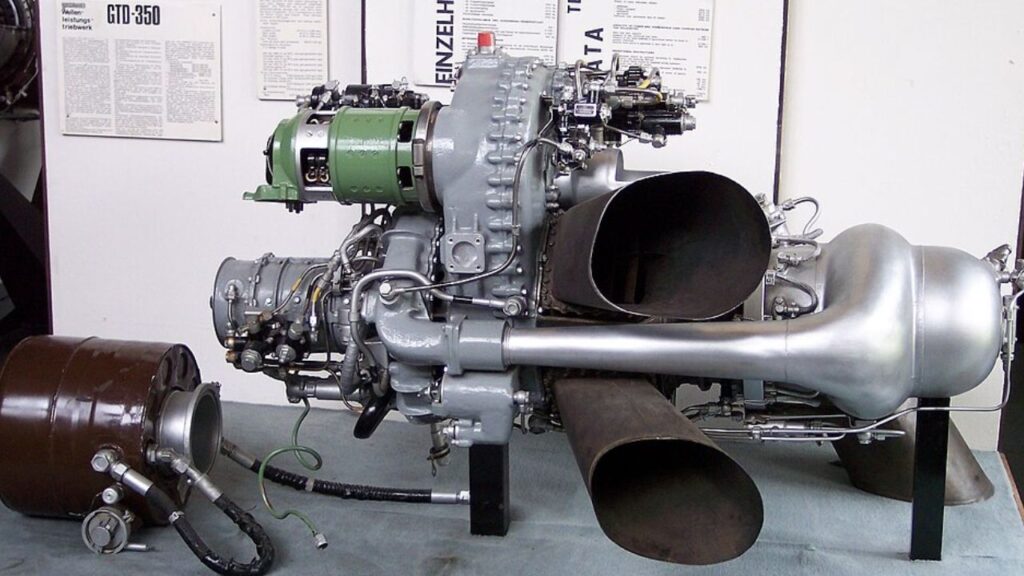
10) Saturn engine families (Russian turbine ecosystem)
Saturn is another name frequently linked to Russian turbine development. The resilience pitch, in general terms, is similar to other military-intended designs: operating margins and maintainability meant to handle operational friction, including less-than-perfect supply conditions. Specific “approved fuels” claims vary by platform and configuration and shouldn’t be assumed without the relevant technical guidance.

What’s actually inside the dirty-fuel toolkit
Across categories, the pattern is consistent. Filtration and water separation do much of the work, backed by fuel-system layouts that are easier to service in the field and operating margins that avoid running at the edge of tolerance when conditions vary. Materials and coatings can help, but they don’t replace clean handling practices.
Operationally, many forces lean on single-fuel logistics concepts—standardizing fuels across platforms where feasible to reduce misfueling risk and simplify stockpiles. That helps, but it doesn’t eliminate contamination, degraded storage, or the realities of coalition and partner sourcing. Interest in drop-in synthetic fuels adds another variable: approvals and allowable blends are not uniform across fleets, so “it can run it” is not the same as “it’s cleared to use it.”
Why it matters now: reach, readiness, and stockpiles
The strategic outcome is straightforward. Forces that can handle more real-world fuel variability can disperse further, sustain tempo longer, and recover faster when supply routes are disrupted. In a fight where tankers and depots are targetable, that flexibility can translate into more maneuver days, more sorties, or more time on station—so long as units also have the filters, test methods, and trained maintainers to keep flexible fueling from becoming self-inflicted failure.
That’s the central tradeoff: resilience isn’t free. Better tolerance can mean heavier filtration, tighter inspection cycles, and higher parts consumption. The payoff is not invulnerability, but graceful degradation—staying mission-capable longer when the fuel isn’t ideal and the logistics picture is getting worse.
What changes next
Expect logistics resilience to keep shaping requirements, especially for expeditionary ground fleets and rotorcraft, while naval and aviation communities continue balancing tight fuel specifications against operational reality. The direction of travel is less about bragging that an engine can run on “anything,” and more about designing systems—and the procedures around them—that keep operating predictably when fuel quality is imperfect. In contested logistics, that predictability can be the difference between a mission delayed and a mission canceled.