
Throughout aviation history, certain aircraft have stood the test of time, earning their place in the annals of aviation legend. These aircraft have not only proven their durability through decades of service but have also played pivotal roles in both military and civilian aviation. Let’s explore some of these remarkable machines.
Douglas DC-3

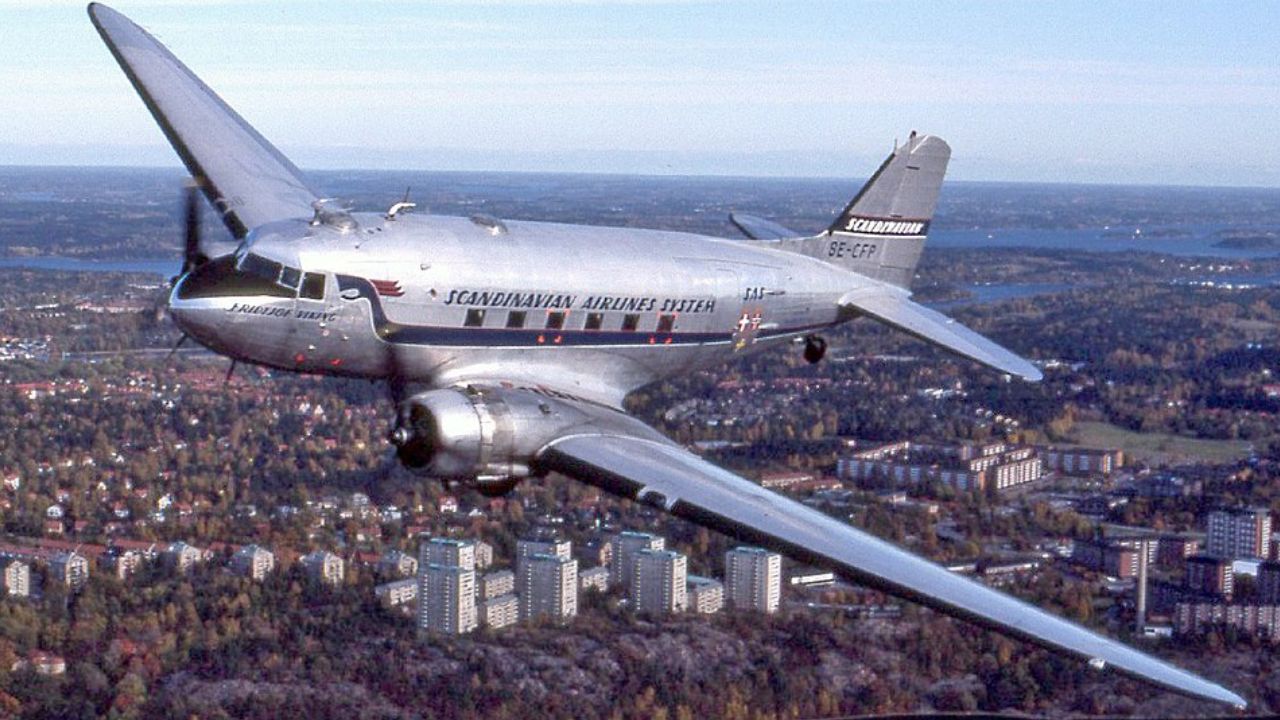
The Douglas DC-3 is often hailed as one of the most significant transport aircraft ever made. Introduced in the 1930s, it revolutionized air travel by making it more reliable and comfortable. Despite being over 80 years old, many DC-3s are still operational today, especially in remote areas where their ruggedness and simplicity make them invaluable.
The DC-3 was instrumental during World War II under the military designation C-47 Skytrain. Its ability to operate from short and unprepared airstrips made it a vital asset for troop transport and supply missions. Over 16,000 units were built, and its legacy continues as many are still used for cargo and passenger services worldwide.
Boeing B-52 Stratofortress

The Boeing B-52 Stratofortress has been the backbone of the United States’ strategic bomber force for decades. First flown in 1952, this iconic aircraft has undergone numerous upgrades to remain relevant in modern warfare. Its long-range capabilities and ability to carry diverse payloads have ensured its continued service.
The B-52 has participated in numerous conflicts, from Vietnam to the Gulf Wars, showcasing its versatility and resilience. With plans to keep it in service until at least 2050, the B-52 will likely celebrate a century of operational service, making it one of the longest-serving aircraft in history.
Lockheed C-130 Hercules

Renowned for its ability to perform a wide variety of missions, the Lockheed C-130 Hercules has been a workhorse for military forces worldwide. Since its introduction in the 1950s, the C-130 has been used for troop transport, medical evacuation, aerial refueling, and even as a gunship.
The C-130’s versatility and durability are evident in its ability to operate in harsh environments, from desert heat to polar cold. Its continued use by over 60 countries underscores its adaptability and reliability, making it a staple in global military operations.
Boeing 747

The Boeing 747, affectionately known as the “Jumbo Jet,” revolutionized commercial air travel with its introduction in 1969. Its massive size and long-range capability allowed airlines to offer more affordable long-haul flights, connecting the world like never before.
Despite newer designs entering the market, the 747 remains in service due to its reliability and capacity. It has also found a niche in cargo transport, with modifications allowing it to carry oversized freight. The 747’s iconic humpback design is recognized globally, symbolizing the golden age of air travel.
Antonov An-2

The Antonov An-2, nicknamed “Annushka,” is a biplane that defies conventional aviation evolution. First flown in 1947, it remains in service due to its exceptional short takeoff and landing capabilities, making it ideal for operations in undeveloped regions.
The An-2 has found uses in agriculture, firefighting, and even as a skydiving platform. Despite its vintage appearance, its simplicity and robustness make it a favorite for operators needing reliable performance in challenging conditions.
McDonnell Douglas F-4 Phantom II

The McDonnell Douglas F-4 Phantom II is a legendary fighter jet that first took to the skies in 1958. Known for its speed, versatility, and power, the Phantom served with distinction in various roles, including air superiority, ground attack, and reconnaissance.
Its service during the Vietnam War solidified its reputation, and it continued to serve in multiple air forces worldwide. Today, while many have been retired, some countries still use the F-4, demonstrating its enduring legacy and adaptability through upgrades.
North American P-51 Mustang

The North American P-51 Mustang is celebrated as one of the finest fighter aircraft of World War II. Its introduction provided the Allies with a long-range bomber escort, significantly impacting the air war over Europe.
Even after the war, the Mustang found roles in various air forces and civilian applications. Its sleek design and powerful engine made it a favorite for air racing and heritage flights, ensuring that the Mustang’s roar is still heard at airshows worldwide.
Mikoyan-Gurevich MiG-21

The Mikoyan-Gurevich MiG-21 is one of the most produced supersonic jets in history, with over 11,000 units built since its introduction in 1959. Known for its agility and speed, the MiG-21 has been a staple in air forces across the globe.
Despite its age, the MiG-21 remains in service due to continuous upgrades and modifications. It has seen action in numerous conflicts and continues to be a reliable platform for countries with limited defense budgets.
Sikorsky UH-60 Black Hawk

The Sikorsky UH-60 Black Hawk has been a cornerstone of military helicopter operations since its introduction in the late 1970s. Known for its versatility, the Black Hawk has been adapted for troop transport, medical evacuation, and search and rescue missions.
Its rugged design and advanced avionics have allowed it to operate in diverse environments, from urban warfare to natural disaster zones. The Black Hawk’s continued use by the U.S. and allied forces attests to its enduring effectiveness in modern military operations.
De Havilland Canada DHC-2 Beaver

The De Havilland Canada DHC-2 Beaver is celebrated for its ability to access remote areas, making it a favorite among bush pilots. First flown in 1947, the Beaver’s robust construction and short takeoff and landing capabilities have made it indispensable for rugged terrain operations.
While production ended in the 1960s, many Beavers remain in service, particularly in Canada and Alaska. Its reliability and ease of maintenance ensure its place in aviation history as a timeless workhorse for remote air transport.